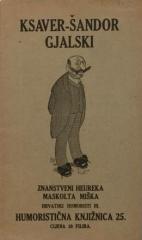
Ksaver Šandor Đalski
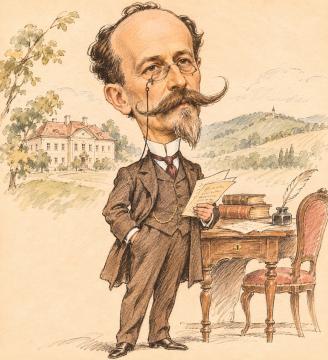
Ksaver Šandor Đalski, usually spelled Gjalski (Gredice near Zabok, 1854–1935), was a Croatian novelist and short-story writer whose work bridges realism and literary modernism. Born Ljubomil Tito Josip Franjo Babić, he adopted a pen name derived from his maternal grandfather. He studied law in Zagreb and Vienna and worked in the civil service, including a posting in Osijek. He also served as a parliamentary representative and president of the Croatian Writers’ Association. In 1903 he co-edited Vienac with Milivoj Dežman.
His literary reputation began with Illustrissimus Battorych (1884). The collection Pod starimi krovovi (1886), also known as Pod starim krovovima, portrays the declining nobility of Hrvatsko Zagorje. Old manor houses, remembered customs and memorable characters become vehicles for nostalgia, irony and an awareness of historical change. Related works include Na rođenoj grudi (1890), Iz varmegjinskih dana (1891) and Diljem doma (1899).
His writing also addresses contemporary social conflict. U noći, serialized in 1886, examines political manipulation and the collapse of youthful ideals. Janko Borislavić (1887) explores philosophical doubt and spiritual unrest, while Radmilović (1894) depicts a writer’s struggle against provincial incomprehension. The collections Tri pripovijesti bez naslova (1887) and Bijedne priče (1888) reflect his concern for vulnerable people.
His range extends to the historical novels Osvit, Za materinsku riječ and Dolazak Hrvata, autobiographical writing, and uncanny fiction such as San doktora Mišića and Ljubav lajtnanta Milića. By combining social observation with psychological exploration and lyrical atmosphere, Gjalski helped Croatian fiction move beyond conventional realism towards modernist narrative.
Titel im Angebot
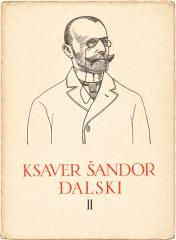
PSHK #51: Ksaver Šandor Đalski II: Janko Borislavić / Pripovijesti i lirske minijature
Janko Borislavić und ausgewählte Erzählungen und lyrische Miniaturen zeigen Đalskis Welt geistiger Unruhe, unerfüllter Liebe, gesellschaftlicher Widersprüche und rätselhafter Erfahrungen.
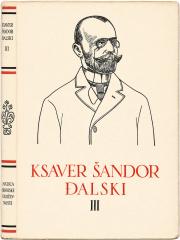
PSHK #52: Ksaver Šandor Đalski III: U noći / Za moj životopis
Der politische Roman U noći schildert den Konflikt jugendlicher Ideale mit Korruption und Karrierestreben. Đalskis dritter Band enthält außerdem den autobiografischen Text Za moj životopis und ein Glossar.
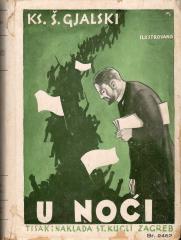
U noći: Svagdašnja povijest iz hrvatskoga života
Der junge, idealistische Anwalt Kačić gerät in politische Kämpfe, Parteiintrigen, Korruption und das öffentliche Leben und wird mit dem Niedergang von Idealen, moralischen Kompromissen und der Schattenseite der kroatischen Politik und Gesellschaft konfron
U žutoj kući
Gjalskis Roman „Im gelben Haus“ (1914) enthüllt den provinziellen Alltag: Höflichkeitsmasken, stille Ambitionen und subtile, ironische Konflikte zwischen Sehnsucht und Pflicht – erzählt mit feinem psychologischen Gespür und elegantem Stil. Seltene antiqua
Za materinsku riječ