Dosada
Dino, ein wohlhabender römischer Maler, leidet unter tiefer existenzieller Langeweile – er ist unfähig, die Realität zu spüren. Er verlässt die Villa seiner Mutter, zieht in ein Atelier und beginnt eine obsessive Beziehung mit der jungen Cecilia, die ihn
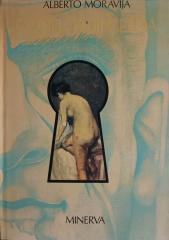
Langeweile ist einer der intimsten und philosophischsten Romane Alberto Moravias. Erschienen 1960, erkundet er darin das existenzielle Thema der Entfremdung und die Unmöglichkeit einer authentischen Beziehung zur Wirklichkeit anhand der Figur Dino, eines 35-jährigen Malers aus einer wohlhabenden römischen Familie. Der Roman ist als Monolog angelegt – Dino erzählt seine Geschichte rückblickend und erklärt, was „Langeweile“ für ihn bedeutet.
Dino lebt mit seiner Mutter in einer luxuriösen Villa an der Via Appia, verspürt aber eine tiefe Leere: Dinge und Menschen erscheinen ihm unwirklich, „avvizziti“ (verwelkt), wie eine Blume, die im Nu verwelkt. Langeweile ist keine gewöhnliche Langeweile, sondern ein metaphysischer Zustand – ein Mangel an Beziehung zur Welt, ein Unvermögen, sich die Wirklichkeit anzueignen. Er malt, kann aber nichts Wertvolles schaffen; stattdessen zerstört er Leinwände. Um zu entfliehen, verlässt er seine Mutter (die die bürgerliche Wertewelt und den Materialismus symbolisiert) und zieht in ein heruntergekommenes Atelier in der Via Margutta.
Dort begegnet er Cecilia, einem jungen, einfachen, erotisch anziehenden Mädchen – der ehemaligen Geliebten des Nachbarn des Malers Balestrieri. Eine leidenschaftliche, aber mechanische Beziehung beginnt: Dino nutzt sie als Modell und Geliebte, bezahlt sie und versucht, sie zu „besitzen“, um seine Langeweile zu vertreiben. Doch Cecilia bleibt unergründlich – spontan, pragmatisch, frei von intellektuellen Lasten. Als sie anfängt, zu spät zu Verabredungen zu kommen und ihm gesteht, einen anderen Mann zu treffen (den armen Luciani), verfällt Dino in Eifersucht und Besessenheit. Anstatt ihn zu befreien, fesselt ihn diese Unfähigkeit, sie zu besitzen, nur noch mehr an sie – seine Langeweile schlägt in eine krankhafte Leidenschaft um.
Der Höhepunkt ist erreicht, als Cecilia um Geld für einen Urlaub mit einem anderen bittet und Dino in seiner Verzweiflung absichtlich mit dem Auto gegen einen Baum fährt. Die Nahtoderfahrung verändert ihn: Im Krankenhaus erkennt er, dass Langeweile eine Illusion war, dass die Realität unabhängig von seinem „Besitz“ existiert. Der Epilog zeigt Versöhnung – Dino akzeptiert die Unvollkommenheit des Lebens und erwartet Cecilias Rückkehr ohne Illusionen.
Hier seziert Moravia die existenzielle Krise des Bürgertums: Langeweile als Folge von Privilegien, die Unmöglichkeit von Authentizität, Sex als Flucht und Falle, die Besitzgier (nach Geld, dem Körper, der Realität). Der Roman ist eine Kritik an Materialismus und intellektueller Entfremdung, beeinflusst vom Absurdismus Sartres und Camus’. Der Stil ist nüchtern, introspektiv, mit langen philosophischen Passagen über das Wesen der Langeweile (Metaphern wie eine zu kurze Decke oder ein Stromausfall). Verfilmt wurde der Roman The Empty Canvas (1963) mit Bette Davis und Horst Buchholz. „Langeweile“ bildet den Höhepunkt von Moravias Trilogie über Entfremdung (neben Indifferent People und Life Inside) und bleibt ein eindringliches Porträt des modernen Menschen, gefangen in seiner eigenen Leere.
Im Angebot sind keine Exemplare vorhanden
Das letzte Exemplar wurde kürzlich verkauft.