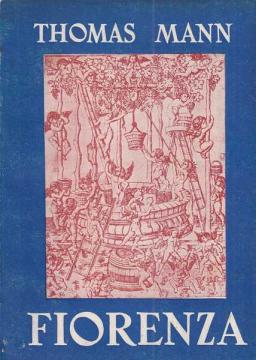
Fiorenza

Thomas Mann’s *Fiorenza* is a historical drama set in Renaissance Florence that depicts the conflict between the preacher Girolamo Savonarola and Lorenzo de’ Medici, exploring the relationship between art, faith, and power.
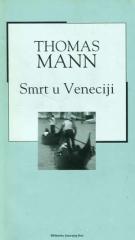
Fiorenza (1906) is a historical drama by the German writer and Nobel laureate Thomas Mann—his only completed dramatic work. The action is set in Renaissance Florence in 1492, a time of political and spiritual upheaval, and centers on the conflict between two historical giants: the Florentine ruler Lorenzo de' Medici and the Dominican preacher Girolamo Savonarola.
Lorenzo, known as "the Magnificent," embodies the Renaissance ideal of beauty, art, freedom, and worldly pleasure, whereas Savonarola advocates for asceticism, religious renewal, and moral austerity. Their conflict evolves into a philosophical debate regarding the relationship between spirit and life, art and religion, and power and moral responsibility.
Fiore Fiorenza—Lorenzo’s mistress and a symbolic embodiment of Florence—plays a pivotal role, linking personal passions with the city's political destiny. Her connection to both rivals further intensifies the tension between spiritual ideals and carnal desires.
The drama culminates in a meeting between the dying Lorenzo and Savonarola, during which the similarities and contradictions of their worldviews are revealed. Through these historical figures, Mann explores universal questions concerning human nature, creativity, and power.
Fiorenza is distinguished by intellectually demanding dialogue, psychological analysis, and rich symbolism. Although it did not achieve major theatrical success, it remains a significant work for understanding Mann's reflections on the conflict between artistic freedom, spirituality, and social power.
Angeboten wird ein Exemplar