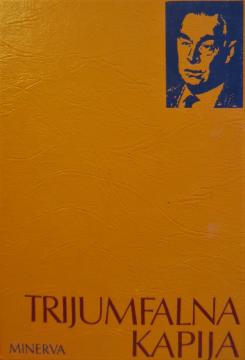
Trijumfalna kapija
Paris 1939. German refugee doctor Ravic lives without documents and a homeland. In the midst of the coming war, he finds passionate love, but also an opportunity for revenge. A classic about exile and humanity.
The Arc de Triomphe is one of the most powerful works by Erich Marie Remarque, author of the cult novel All Quiet on the Western Front. Set in Paris at the very beginning of World War II, the novel is a poignant story of lost people, love and revenge at a time when Europe is sinking into darkness.
The main character is Ravic, a talented German surgeon who escaped from a Nazi concentration camp. Without a passport and legal status, he lives in the shadows, illegally operating on wealthy patients for French colleagues and wandering the streets of Paris every night. One rainy evening he meets Joan Madou, a beautiful and unhappy woman on the verge of despair. A passionate, stormy and deeply tragic love is born between them – the love of two people who have already lost almost everything.
Remarque masterfully depicts the atmosphere of pre-war Paris: shiny cafes and cheap rooms, rich people and refugees, false splendor and deep despair. Through Ravic's story, the novel raises eternal questions – what remains of a man when his homeland, name and future are taken away? How to live when everything around you is collapsing? And can love save a world that is rushing into war?
In addition to the great love story, the novel also brings a dramatic thread of revenge: Ravic meets again with the Gestapo man who destroyed his life. In this conflict, hatred and humanity, revenge and forgiveness collide.
The Arc de Triomphe is a masterpiece that can be read in one sitting. Remarque's style is precise, emotional and without pathos, and the characters are alive, vulnerable and unforgettable. The book is especially powerful because it was written from personal experience – Remarque himself was a refugee who fled from the Nazis.
No copies available
The last copy was sold recently.