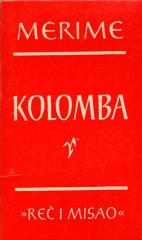
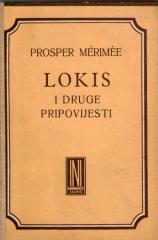
Prosper Merimee
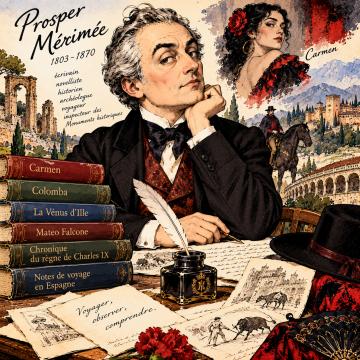
Prosper Mérimée (Paris, September 28, 1803 – Cannes, September 23, 1870) was a French writer, historian, archaeologist, and one of the most significant masters of the short story in the 19th century. He studied law in Paris but turned early on to literature, history, and the study of European cultures. Although he belonged to the circle of French Romantics, his literary style is characterized by realistic precision, conciseness, and an ironic distance.
He began his literary career with The Theatre of Clara Gazul (Théâtre de Clara Gazul, 1825), a collection of plays published under the fictitious authorship of a Spanish actress. This was followed by La Guzla (1827)—a collection of purported Illyrian folk songs—which contributed to the European interest in South Slavic oral literature. He also published the historical novel The Chronicle of the Reign of Charles IX (Chronique du règne de Charles IX, 1829), which focuses on the religious conflicts in 16th-century France. He achieved his greatest literary success with the novellas Mateo Falcone (1829), Tamango (1829), The Etruscan Vase (Le Vase étrusque, 1830), A Double Mistake (La Double Méprise, 1833), The Souls of Purgatory (Les Âmes du purgatoire, 1834), The Venus of Ille (La Vénus d'Ille, 1837), Colomba (1840), and Carmen (1845). The latter became world-famous thanks to Georges Bizet’s 1875 opera of the same name. His short stories explore passion, jealousy, revenge, honor, violence, and the clash of different cultures, often blending realistic storytelling with exotic and fantastic motifs.
From 1834, he served as the Chief Inspector of Historical Monuments in France, playing a key role in the protection and restoration of numerous structures. He traveled throughout Europe, studying archaeology, history, and languages, while also writing travelogues and historical studies. In 1844, he was elected to the French Academy.
Mérimée’s literary legacy is characterized by psychological insight, narrative economy, historical authenticity, and an interest in cultural diversity. His works have had a lasting influence on the development of the European novella and realist prose.
Titles in our offer


Bartolomejska noć
Alexandre Dumas, one of the most popular French novelists and playwrights of his time, was primarily a popularizer of history.
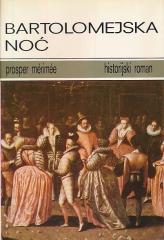
Bartolomejska noć
Through the fate of the young Protestant Bernard de Mergy and his Catholic brother, this historical novel depicts the religious conflicts and tragic events of the infamous St. Bartholomew's Day massacre in Paris in 1572.
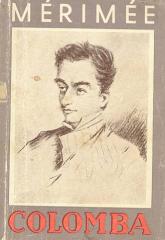
Colomba
Prosper Mérimée's novella, published in 1840, is set in Corsica and explores themes of revenge, honor, and the conflict between the traditional and modern worlds. The novella culminates in a tragic conflict, where love, duty, and violence intertwine.

Colomba / Carmen / Lokis
In the novels Colomba, Carmen and Lokis, Prosper Mérimée depicts the conflict of passion, tradition and reason, exploring revenge, love, violence and the dark side of human nature.
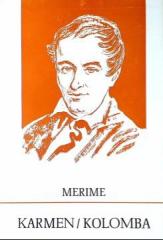
Karmen / Kolomba
Carmen is a story set in Spain and follows the tragic love between the gypsy temptress Carmen and the soldier Don José. Colomba is a story set in Corsica and tells a story of brotherhood, revenge and family honor.