Branislav Nušić
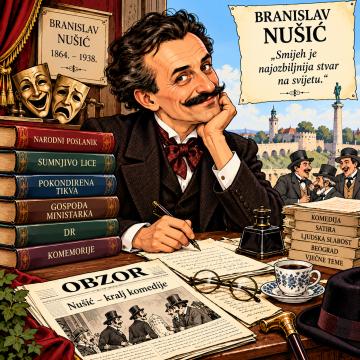
Branislav Nušić (1864–1938)—born Alkibijad Nuša—was a Serbian writer, playwright, novelist, journalist, and diplomat. He was born on October 20, 1864, in Belgrade, where he also died on January 19, 1938. He is considered one of the greatest playwrights in South Slavic literature, renowned for his sharp satire, vivid characters, and witty portrayal of societal flaws.
He was educated in Smederevo and Belgrade, where he completed his law studies. As a young man, he took part in the Serbo-Bulgarian War of 1885, and he was later sentenced to prison for the satirical poem Dva raba (Two Servants), in which he criticized the authorities. Subsequently, he worked in the diplomatic service—primarily within the Ottoman Empire—and held positions in various theatrical and cultural institutions.
He began his literary career with the comedy Narodni poslanik (The Member of Parliament), written in 1883, in which he satirizes political corruption, electoral manipulation, and the struggle for social status. This was followed by the comedies Sumnjivo lice (A Suspicious Person), Protekcija (Patronage), and Običan čovek (An Ordinary Man), works that expose bureaucracy, hypocrisy, and the petty-bourgeois mentality.
The pinnacle of his creative output consists of the comedies The Cabinet Minister's Wife (1929), Mister Dollar (1932), The Bereaved Family (1934), Dr (1936), and The Deceased (1937). In these works, Nušić masterfully portrays greed, vanity, social pretense, and the absurdity of attitudes toward money and power.
A special place is held by his humorous Autobiography (1924), in which he wittily describes his childhood, schooling, and youthful experiences. He also wrote novels, short stories, and travelogues, as well as dramas of a more serious tone, most notably It Had to Be So and The Foundling.
His prose and dramatic works are characterized by dynamic dialogue, situational comedy, irony, and an excellent understanding of human psychology. Nušić was particularly successful in crafting characters such as civil servants, politicians, upstarts, and middle-class families, thereby revealing the universal weaknesses of society.
Thanks to their timeless humor and sharp social criticism, his comedies remain among the most frequently performed works in the region's theater repertoire to this day.
Titles in our offer
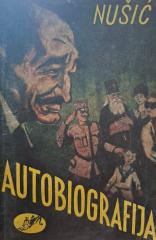
Autobiografija
Branislav Nušić, the famous Serbian comedian, wrote his autobiography, which takes us through his life path. Through the eyes of Nušić, we follow his path from humble childhood to a successful literary career, imbued with humor and irony.
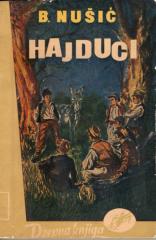
Hajduci
The novel Hajduci by Branislav Nušić is a humorous story about a group of boys from a small town who, inspired by stories about hooligans, founded their own group and got into various mischief.
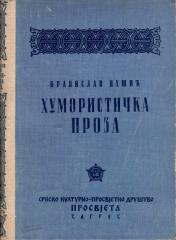
Humoristička proza
Humorous prose brings together Nušić's autobiographical, essay-serial and narrative texts, in which humor and satire expose school, society, government and human weaknesses.
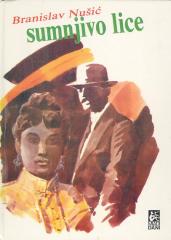
Sumnjivo lice
The work depicts everyday human weaknesses and absurd situations through a humorous critique of society and character.
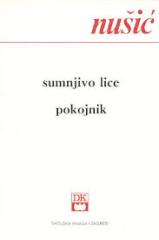
Sumnjivo lice / Pokojnik
In the comedy "Suspicious Face" Nušić makes fun of society at that time with all the flaws he sees in the government under the rule of the Obrenović dynasty. The comedy "Deceased" is the last comedy written by Nušić at the age of 70, with a similar theme.