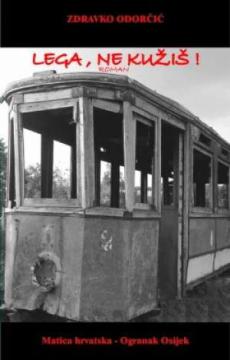
Lega,ne kužiš
Graphics design
Krešimir Velki
Dimensions
20 x 11 cm
Pages
111
Publisher
Matica hrvatska, Osijek, 2007.
Latin alphabet. Paperback.
Language: Croatian.
Two copies are available
Two copies are available
Are you interested in another book? You can search the offer using our search engine or browse books by category.
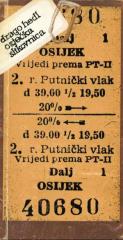
Drago Hedl’s *Osijek Picture Book* is a collection of newspaper essays and urban sketches about Osijek, its people, its streets, and everyday life. It is a witty and nostalgic chronicle of the city, its customs, and its changes.
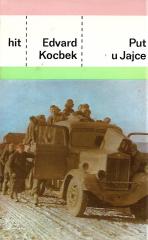
In Put u Jajce, Edvard Kocbek provides personal and political testimony about key moments in Yugoslav history. The book is based on Kocbek's memories from the Second World War, especially the trip to Jajce in 1943.
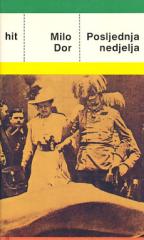
The Last Sunday of Mila Dora is a historical novel about the Sarajevo assassination of 1914. Through the investigation of Judge Leo Pfeffer, it depicts the events that led to the assassination and the outbreak of World War I.
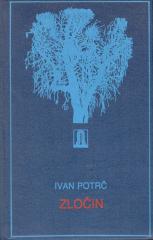
Crime (1955) by Ivan Potrč is a historical novella that focuses on the last days of communist illegals Đuro Đaković and Nikola Hećimović, key figures of the Communist Party of Yugoslavia in the period between the two world wars.
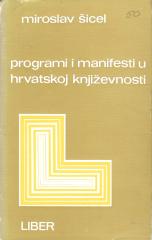
The collection "Programs and Manifestos in Croatian Literature", edited by Miroslav Šicel and published by Liber in 1972, represents a key collection of texts that shaped the direction of Croatian literature through various historical phases.
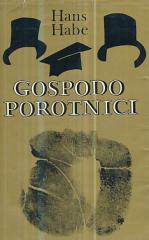
"Gentlemen of the Jury" by Hans Habe presents ten famous court cases of the 20th century, depicting the course of investigations, trials and motives for crimes, as well as the relationship between justice, politics and public opinion.