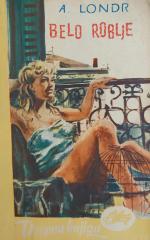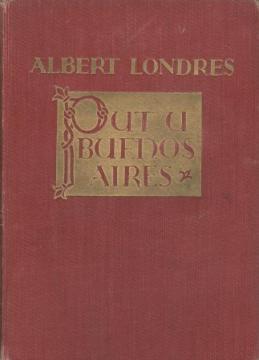
Put u Buenos Aires
In 1927, French journalist Albert Londres went incognito to Argentina to investigate the white slave trade. The book exposed a network of forced prostitution of young European women, was a powerful indictment of pimps and a vocal defense of the victims.
The Road to Buenos Aires (1927) is a classic work of investigative journalism by Albert Londres, one of the founders of the reportage genre. Prompted by rumors of the white slave trade, Londres traveled incognito to Argentina in 1927 to follow the fate of young women from Europe—primarily from the working-class neighborhoods of Paris, Warsaw, and other cities—who were brought to the brothels of Buenos Aires under the guise of marriage or honest work.
The book is not a travelogue in the usual sense; it is a sharp, documentary investigation in which the author follows the routes, brokers, and pimps from the port of Marseille across the Atlantic to the brothels of Buenos Aires. Londres describes with emotional power and investigative persistence the mechanisms of deception—false promises, the image of lovers, debts—that lead young women into sexual slavery. Yet he does not judge the victims: his confession is a testimony to socioeconomic misery and structural male sexism.
The book caused a storm of reactions in 1927 – accused of "defending pimps", Londones actually had the opposite effect: he exposed a system that had long been tolerated. The book is still read today as a precursor to modern reporting on human trafficking and sexual exploitation.
One copy is available
- The cover is missing
- Traces of patina