Discounted books
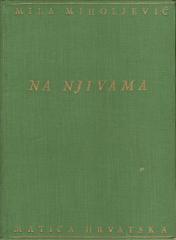
Na njivama
A lyrical novel about rural life, work, and the inner connection between man and the land. Through simple scenes and emotional warmth, it describes the weight, pride, and spiritual strength of people tied to the fields and the cycles of nature.
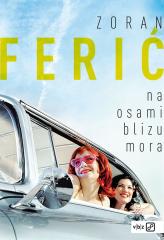
Na osami blizu mora
Four years after the great success of 'Mayan Calendar', Zoran Ferić appears with a novel that focuses mostly on male-female relationships and vicissitudes.
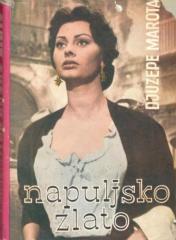
Napuljsko zlato
A collection of stories about Naples that celebrates the indestructible spirit and resourcefulness of its inhabitants. Through melancholy, humor, and everyday drama, Marotta reveals the city's true "gold"—the wisdom and dignity of the little man.
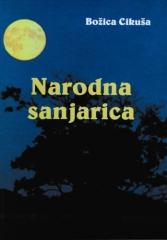
Narodna sanjarica
The most famous Croatian book on dream interpretation. The author, a long-time expert in working with dreams, combines a rich folk treasure (lore, beliefs, and old dream books) with modern depth psychology. Special feature: "A Brief Nostradamus Horoscope"

Na rubu revolucije - studenti '71.
This is the first book that comprehensively addresses the phenomenon of Croatian students and their role in the Croatian Spring. Students, along with the reform wing of the League of Communists and Matica Hrvatska, were one of the three pillars of the Cro
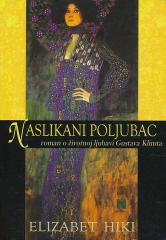
Naslikani poljubac
A novel about the love of Gustav Klimt's life
Nato leksikon
The lexicon contains all information related to the founding, history and operations of the NATO alliance.
Naturalizam
The book also deals with the influence of naturalism on literature, especially in the context of European literature of the 19th century.
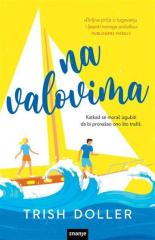
Na valovima
A romantic and unforgettable novel by the famous writer Trish Doller about setting sail for a new life and finding yourself.