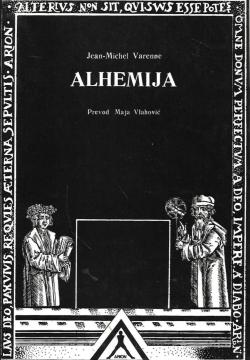
Alhemija
Das Buch erkundet die komplexe Welt der Alchemie, einer alten Disziplin, die Philosophie, Spiritualität, Chemie und Symbolik vereint. Der Autor bietet einen umfassenden Überblick über die Geschichte, Theorie und Praxis der Alchemie, mit besonderem Schwerp
Varenne untersucht, wie Alchemie, die oft als primitive Chemie missverstanden wird, tatsächlich eine tiefgreifende philosophische und esoterische Lehre ist. Das Buch ist in mehrere thematische Einheiten gegliedert, die die historische, symbolische und praktische Entwicklung der Alchemie verfolgen.
Varenne erklärt die Ursprünge der Alchemie im alten Ägypten, wo sie mit dem Konzept der Metalltransmutation und spirituellen Transformation verbunden ist. Es betrachtet seine Entwicklung in der hellenistischen Zeit, der islamischen Welt und dem mittelalterlichen Europa. Als Träger der Tradition werden bedeutende Alchemisten wie Hermes Trismegistus, Paracelsus und Nicolas Flamel vorgestellt.
Alchemie ist nicht nur die Umwandlung materieller Substanzen (z. B. die Umwandlung von Blei in Gold), sondern auch ein Prozess der inneren Reinigung und Erleuchtung. Varenne erklärt das Konzept des Steins der Weisen, der Vollkommenheit, Weisheit und Unsterblichkeit symbolisiert.
Das Buch erkundet die reiche Symbolik alchemistischer Texte, darunter Motive wie Sonne, Mond, Schlange und Adler. Er betont die Bedeutung von Allegorien und kodierten Sprachen in alchemistischen Schriften, die oft dazu dienen, ihre wahre Bedeutung vor Uneingeweihten zu verbergen.
Es beschreibt die grundlegenden Phasen des alchemistischen Prozesses: Nigredo (Schwärze): Symbolisiert den Verfall und den Tod des Alten. Albedo (Weiß): Steht für Reinigung. Rubedo (Rötung): Endgültige Transformation und Erkenntnis. Varenne erforscht die Laboraspekte der Alchemie, wie Destillation und Sublimation, als Metaphern für innere spirituelle Veränderung.
Der Autor verbindet alchemistische Ideen mit modernen spirituellen Praktiken und Psychologie, insbesondere mit der Arbeit von Carl Gustav Jung, der die Alchemie als Symbol der psychologischen Entwicklung betrachtete.
Im Angebot sind keine Exemplare vorhanden
Das letzte Exemplar wurde kürzlich verkauft.