Ljepši kraj
Ehrlich, überzeugend, direkt, witzig, selbstironisch erzählt der Autor und schafft stilistisch und inhaltlich ein ganz besonderes literarisches Werk.
Der Held von Lepše kraj zog sich in die Hütte seines Großvaters auf einem bosnischen Berg zurück. Darin versucht er, sich nach dem dramatischen Scheitern seiner Liebesgeschichte mit einer Norwegerin zu erholen, die gegenüber Männern aus dem ehemaligen Jugoslawien immer schwach war und dafür einen hohen Preis zahlen musste. Während er sich an sein früheres Leben erinnert und versucht zu verstehen, was wirklich passiert ist, beginnt eine neue Geschichte auf einem schneebedeckten Berg, während nur Wahhabiten, die in einem nahegelegenen verlassenen Dorf leben, an seiner Blockhütte vorbeikommen. Im Mittelpunkt steht wieder eine Frau, und der Weg führt unsere Helden erneut nach Oslo.
Bekim Sejranović erzählt zwei Geschichten, eine rückwärts und eine vorwärts, die eine spielt in Norwegen und die andere in Bosnien, und geht dabei unter die Haut seines Helden. Es schildert überzeugend seine Traumata, seine emotionale Unsicherheit, seine existenzielle Angst, seine Drogenabhängigkeit und seine sexuelle Dysfunktion und ist gleichzeitig klar und unglaublich witzig.
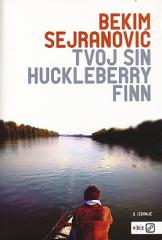
Jjebši kraj ist der zentrale Teil der Romantrilogie von Bekim Sejranović, zu der auch die Romane Nigjde, Niotkuda und Tvoj sin Huckleberry Finn gehören, während die Geschichten aus Sandal und Diary of a Nomad eine Art Erweiterung dieser Welt darstellen, die ein umfassenderes Verständnis von Sejranovićs Erzähluniversum ermöglichen.
Es handelt sich um eines der umfassendsten und interessantesten Erzählwerke in den postjugoslawischen Regionen. Für diejenigen, die „Ein besseres Ende“ von Bekim Sejranović noch nicht gelesen haben, kann es der Beginn einer fantastischen literarischen Reise sein.
Im Angebot sind keine Exemplare vorhanden
Das letzte Exemplar wurde kürzlich verkauft.