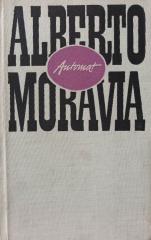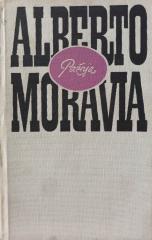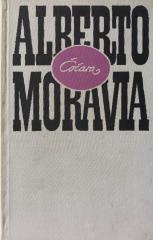
Rimske priče: izbor
Sammlungen von Kurzgeschichten aus dem römischen Leben der Nachkriegszeit: Einfache Leute aus dem Volk und dem Kleinbürgertum – die Armen, Arbeiter, Kleinhandwerker – sehen sich im Alltag mit Elend, Überlebenskampf, Eifersucht, kleinlichen Betrügereien un
Römische Erzählungen ist eine Auswahl der repräsentativsten Geschichten aus zwei Sammlungen von Alberto Moravia: Racconti romani (1954) und Nuovi racconti romani (1959). Insgesamt umfasst die Sammlung über 130 Kurzgeschichten, die hauptsächlich zwischen 1948 und 1959 entstanden und zunächst in Zeitungen wie dem Corriere della Sera und der La lettura veröffentlicht wurden. Diese Erzählungen markieren Moravias neorealistische Wende nach Die Römerin (1947) – mit einem Fokus auf das Nachkriegsrom im Wandel von Elend und Ruinen zu wirtschaftlichem Aufschwung (miracolo economico).
Die Hauptfiguren sind die „kleinen Leute“ Roms: das Proletariat, das Lumpenproletariat, das Kleinbürgertum – Taxifahrer, Arbeiter, Ladenbesitzer, Hausfrauen, Kleinkriminelle, Arbeitslose und Jugendliche aus den Randgebieten. Die Geschichten sind fast immer in der Ich-Perspektive verfasst und zeichnen sich durch umgangssprachliche Ausdrücke, Anklänge an den römischen Dialekt und Ironie aus. Jede Geschichte ist ein in sich abgeschlossener Fall aus dem Leben: ein kleiner, misslungener Betrug (Il biglietto falso), Eifersucht und Rache (La bella serata), der Versuch, der Armut zu entfliehen, Ehestreitigkeiten, sexuelle Frustration, Hunger, Demütigung, aber auch kleine Freuden oder absurde Hoffnungen.
Moravia idealisiert die Menschen nicht – im Gegensatz zu manchen Neorealisten zeigt er sie zynisch, opportunistisch und moralisch ambivalent: Menschen lügen, betrügen, verraten, aber sie leiden auch, lieben und kämpfen ums Überleben. Es gibt keinen Heldenmut, nur „brulicante passività“ – den passiven, stetigen Strom des Lebens in der Großstadt. Die Kulisse bildet Rom: die Vororte, die Borgate, die Straßen, die Elendsviertel, Trastevere, aber auch das Zentrum – der Kontrast zwischen Armut und dem Beginn einer Konsumgesellschaft (Autos, erste Urlaubsreisen).
Moravia wollte Gioacchino Belli, einen römischen Dichter des 19. Jahrhunderts, der in Sonetten im römischen Dialekt das einfache Volk beschrieb, „aktualisieren“. Die Prosa ist hier realistisch, nüchtern, ohne Pathos, mit einem Fokus auf erotische und existenzielle Motive (Begierde, Besitzgier, Entfremdung). Die Geschichten sind kurz, prägnant und oft mit einer unerwarteten Wendung oder einem bitteren Ende – zum Beispiel ein Mann, der wegen ein wenig Gier alles verliert, oder eine Frau, die von der Liebe träumt, aber am Ende einen Kompromiss eingeht.
Diese Sammlungen sind neben Die römische Frau und Die Čočara von zentraler Bedeutung für das Verständnis der „römischen Phase“ Mährens – ein Porträt einer Gesellschaft im Wandel, in der Kriegstraumata in moralische Gleichgültigkeit und Materialismus umschlagen. Sie beeinflussten den italienischen Neorealismus und die spätere Literatur über die „kleinen Leute“.
Angeboten wird ein Exemplar