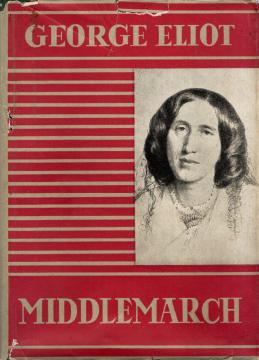
Middlemarch I: Gospođica Brooke
Im ersten Band des Romans lernen wir Dorothea Brooke kennen, eine 19-jährige junge Frau, die sich ein erfülltes Leben im Dienste des Guten wünscht. Sie heiratet den alten Gelehrten Casaubon in der Hoffnung, er werde sie bei ihren wissenschaftlichen Arbeit
Middlemarch George Eliot (Pseudonym von Mary Ann Evans) beginnt mit Vorspiel und Buch I: Miss Brooke, die ursprünglich separate Geschichten waren, bevor sie zu einem größeren Roman zusammengefügt wurden. Das Vorspiel vergleicht Dorothea mit unerfüllten weiblichen Idealen wie der heiligen Teresa von Ávila – einer Frau von spiritueller Größe, deren Leben jedoch durch die Umstände im provinziellen England der Jahre 1829–1832 (vor dem Reformgesetz von 1832) eingeschränkt war.
Die Hauptfigur, Dorothea Brooke, eine 19-jährige Waise, lebt mit ihrer jüngeren Schwester Celia auf dem Landgut ihres Onkels, Mr. Brooke, Tipton Grange. Dorothea ist intelligent, religiös und asketisch – sie trägt einfache Kleidung, lehnt Luxus ab und träumt von großen Taten zum Wohle der Welt. Sie idealisiert Wissen und Spiritualität und verachtet Belanglosigkeiten. Celia ist ihr Gegenpol – praktisch, konventionell, „vernünftig“.
Onkel Brooke, ein unentschlossener Liberaler, bringt Gäste mit: Sir James Chettam, einen jungen, wohlhabenden Baron, der Dorothea den Hof macht (sie weist ihn zurück, weil sie ihn zu „einfach“ findet), und Reverend Edward Casaubon, einen 45-jährigen Gelehrten, der an „Der Schlüssel zu allen Mythologien“ arbeitet. Dorothea sieht in ihm ein intellektuelles Schwergewicht – eine Vaterfigur, die ihr tiefes Wissen vermitteln und ihrem Leben Sinn geben wird. Er ignoriert Warnungen (von Celia, Mrs. Cadwallader und seinem Onkel), dass Casaubon trocken, alt und leidenschaftslos sei. Sie heiratet ihn in der Hoffnung, dass er sie bei ihrer Arbeit unterstützen und ihr ein erfülltes Leben ermöglichen wird.
Casaubon ist in Wirklichkeit penibel, unsicher und fürchtet, Dorothea sei zu jung und zu attraktiv für ihn. Er führt sie nach Lowick Manor, wo sie seinen Cousin Will Ladislaw (jung, künstlerisch, liberal) kennenlernt – was zu den ersten Spannungen führt. Dorothea erkennt, dass Casaubon nicht das Genie ist, für das sie ihn gehalten hat – seine Werke sind fruchtlos, und er hindert sie daran, sich selbst zu verwirklichen.
Buch I führt zentrale Themen ein: Idealismus versus Realität, die Beschränkungen der Rolle der Frau in der viktorianischen Gesellschaft, die Ehe als Falle für ehrgeizige Seelen, das provinzielle Leben voller Heuchelei und kleinlicher Ambitionen. Eliot schreibt realistisch, mit Ironie und tiefgründiger psychologischer Analyse – Dorothea ist sympathisch, aber auch von Selbsttäuschung verblendet. Dies ist der Auftakt zu einem umfangreicheren Roman, der Lydgate, die Vincys, Bulstrode und den politischen Wandel einbezieht.
Angeboten wird ein Exemplar
- Die Abdeckung fehlt
- Abgenutzte Bezüge