Marija Jurić-Zagorka
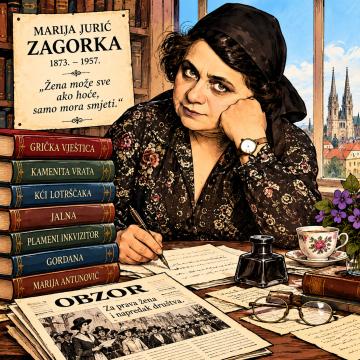
Marija Jurić Zagorka (1873–1957), a Croatian writer, journalist, and women's rights activist, was born on March 2, 1873, in Negovec near Vrbovec, and died on November 30, 1957, in Zagreb. She is considered the first Croatian professional female journalist, a pioneer of the popular historical novel, and one of the most widely read Croatian authors.
She grew up in the Hrvatsko Zagorje region and was educated in Varaždin and Zagreb. Despite family pressures and social prejudices, she chose to dedicate herself to writing and journalism. In 1896, she began working for the Zagreb newspaper Obzor, where she distinguished herself through political articles, reportage, and feuilletons. She advocated for gender equality, the right to education, and political freedom, while opposing social discrimination.
She achieved literary fame through serialized historical novels that combined suspenseful plots, romantic entanglements, historical events, and strong female characters. Notable among her early works are Roblje (1899) and Kneginja iz Petrinjske ulice (1910)—one of the first Croatian crime novels.
Her most famous work, the Grička vještica (The Witch of Grič) cycle (1912–1914), is set in 18th-century Zagreb and deals with witch trials, social injustices, and the struggle for freedom. Her novels Kći Lotrščaka (1921), Gordana (1934–1935), and Jadranka, as well as the extensive historical cycle Republikanci, also achieved great popularity.
In the novel Plameni inkvizitori, she depicts religious intolerance and the abuse of power, while Jalnuševčani offers a satirical look at social relations. In her works, history becomes a stage for the conflict between love, justice, authority, and personal freedom.
In 1925, she launched Ženski list—the first Croatian magazine for women edited by a woman—and in 1939, the magazine Hrvatica. Through her public work, she contributed to the development of women's journalism and the emancipation movement.
Zagorka’s body of work is characterized by narrative dynamism, social criticism, patriotism, and feminist consciousness. Her novels remain an important part of Croatian popular literature and cultural heritage.
Titles in our offer

Grička vještica III: Suparnica Marije Terezije
Treći deo čuvenog serijala donećе opasne intrige na bečkom dvoru, političke sukobe i borbu za opstanak. Nera i Siniša suočavaju se sa rivalstvom, tajnama i spletkama same carice.

Grička vještica IV: Dvorska kamarila
The fourth installment of the series brings the political machinations at the Viennese court to a climax. Nera and Siniša battle a secret network of powerful figures whose intrigues threaten their lives and the fate of Croatia.

Jadranka 1-7
„Jadranka 1-7“ je zbirka sedam povijesnih romana Marije Jurić Zagorke, objavljena pod zajedničkim naslovom 1977. godine. Serijal spaja avanturu, ljubav i nacionalne motive u hrvatskoj prošlosti, od srednjeg vijeka do 19. stoljeća.
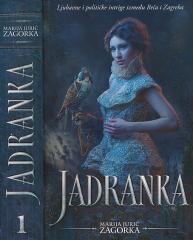
Jadranka - knjiga 1.
Još jedna od znamenitih opsežnih povijesnih romansi Marije Jurić Zagorke, `Jadranka` je smještena u sredinu 19. stoljeća, u doba Bachova apsolutizma, političko nevrijeme koje je zagovaralo germanizaciju i centralizaciju u Habsburškoj Monarhiji.
Kći Lotrščaka
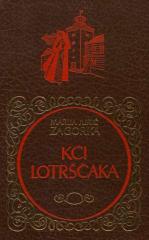
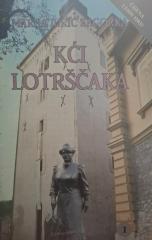
Pored ljubavne priče, koja je okosnica gotovo svih Zagorkinih dela, „Kći Lotrščakova“ je roman koji je jedinstven po tome što obiluje brojnim legendama i narodnim pričama vezanim za Zagreb, zasnovanim na natprirodnim i religioznim motivima.

Pet stoljeća hrvatske književnosti #36 - Pučki igrokazi XIX. stoljeća
Pet stoljeća hrvatske književnosti (PSHK) najveći je izdavački projekat u povijesti hrvatske književnosti.

Tozuki
„Tozuki“ Marije Jurić Zagorke je napet društveno-politički roman o tajnoj organizaciji švercera i korumpiranih moćnika u posleratnom Zagrebu, ispunjen opasnim intrigama, zločinima i potragom za istinom.
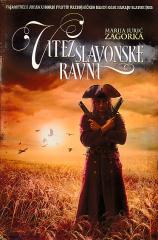
Vitez slavonske ravni
Vitez, poznat po maskama i pirotehničkim trikovima kojima plaši razbojnike, postaje legenda, prozvan "vilenjakom" zbog svoje brzine i tajanstvenosti.
