Miljenko Jergović
Titles in our offer
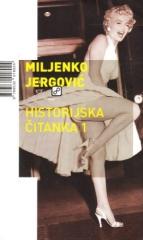
Historijska čitanka 1
The cult book by Miljenko Jergović – a subjective history of a time, country and city... A historical reader is actually a family album because a person always becomes familiar with people in a time that has passed and which they want to explain.
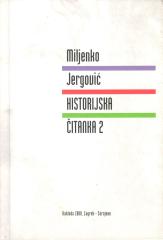
Historijska čitanka 2
The first edition of the second part of the series with 5 new (bonus) stories by a famous writer and journalist. "This book completes the 'Historical Reader', a project - a column started on the pages of the Sarajevo magazine Dani, shortly after the end o
Imenik lijepih vještina I-II
In The Directory of Fine Arts, Miljenko Jergović explores diverse topics, from literature to history, celebrating art and excellence. His essays offer deep understanding, imbued with intellectual passion and a love of the written word.
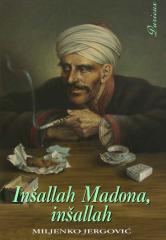
Inšallah Madona, inšallah
Inšalh, Madonna, Inšalah by Miljenko Jergović is a collection of stories whose richness of motifs and emotions branches out like carved ivory – in each story a story, in each destiny an entire world.
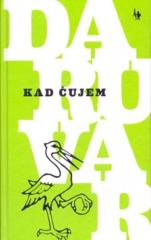
Kad čujem Daruvar
The collection "When I Hear Daruvar", edited by Kruno Lokotar, brings together 28 stories, essays and travelogues by renowned authors on the topic of Daruvar - a unique literary portrait of the city.
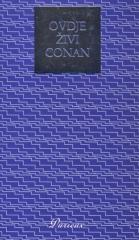
Ovdje živi Conan
Young Bosnian Lyrical Poetry 1992-1996.
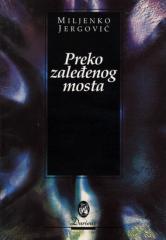
Preko zaleđenog mosta
"Over the Frozen Bridge" is a collection of poems by Miljen Jergović.
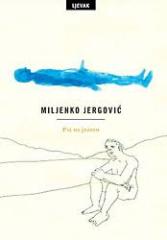
Psi na jezeru
The novel explores how stories save from oblivion, but also how they hide the truth about human vulnerability. Short but layered, it combines reality with fantasy, reminding us that every encounter is a possible love or ruin.