Discounted books
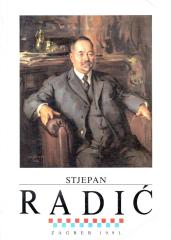
Stjepan Radić
The Stjepan Radić exhibition catalogue, published in 1991 on the occasion of the exhibition at the Croatian History Museum in Zagreb, is dedicated to the life and work of Stjepan Radić (1871–1928), a key figure in Croatian politics and the founder of the
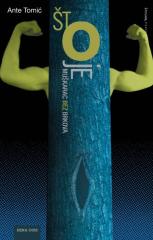
Što je muškarac bez brkova: humoristički roman
When it was first published in 2000, Tomić's novel What is a Man Without a Mustache instantly became a bestseller, and over the next few years it went through a series of new editions, dramatizations, and a film adaptation. First edition.
Što je sociologija?
A classic work by one of the most influential sociologists of the 20th century, the founder of "figurative" or "process" sociology. The book is a programmatic manifesto against the then dominant structural-functionalist paradigm (Parsons) and pure positiv

Sto remek-djela, Pisana riječ u Hrvatskoj
"One Hundred Masterpieces: The Written Word in Croatia" is a catalogue of the exhibition of the same name held in 1986, which presents an overview of the most important monuments of Croatian literacy.

Što smo mu učinili
The book What We Did to Him by journalist and publicist Nenad Ivanković presents a personal and political reflection on the circumstances of the arrest, trial, and verdict of Generals Ante Gotovina and Mladen Markač before the Hague Tribunal.
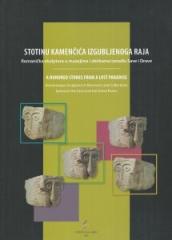
Stotinu kamenčića izgubljenoga raja
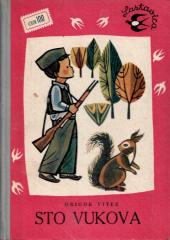
Sto vukova
Grigor Vitez (1911–1966), one of the most beloved Croatian poets for children, published the collection "One Hundred Wolves and Other Poems for Children" in 1957, which quickly became a classic of children's literature.
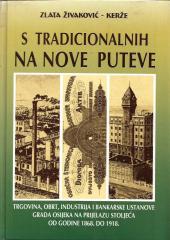
S tradicionalnih na nove puteve: Trgovina, obrt, industrija i bankarske ustanove grada Osijeka na prijelazu stoljeća od 1868. do 1918. godine
The book explores the economic development of Osijek after the Croatian-Hungarian Settlement until the end of World War I. Osijek, as an important center of Slavonia, experienced a significant economic boom thanks to its location on the Drava River and th
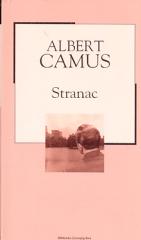
Stranac

The Stranger is the novel with which Camus achieved his first great success, influenced by Nietzsche's philosophy, Sartre's philosophy of existentialism, and, most of all, his philosophy of the absurd.

Stranger in the Forest: On Foot Across Borneo
At once a modern classic of travel literature and a gripping adventure story, Stranger in the Woods provides a rare and intimate look at the vanishing way of life of one of the last surviving groups of rainforest dwellers.