Historical periodical

Mursa u svjetlu novih izvora i nove literature
Danica Pinterović's scientific study brings new knowledge about Roman Mursa based on archaeological findings and contemporary literature, complementing previous knowledge about ancient Osijek.
Nalazište mlađeg željeznog doba s terena Osijeka (nastavak)
The study analyzes the Celtic necropolis in Osijek, revealing the simultaneous use of cremation and burial of the deceased. The findings indicate strong Celtic and Illyrian cultural influences and developed metal production.
Opuscula archaeologica IV: Zlatni nakit iz helenističko-ilirske nekropole u Budvi
The article presents a classic analysis of archaeological findings from the Hellenistic period (3rd-2nd century BC) in the necropolis north of ancient Budva (today's Montenegro), discovered in the 1950s.
Proljeće: glazba za mladež god. III, sv. 1
Proljeće: glazba za mladež was a musical and pedagogical magazine for children and youth that acted as the official publication of the Ustaša Mladeža during the NDH, publishing sheet music, songs and educational content.
Rasprava o rimskom miljokazu pronađenom kod Osijeka
In his study from 1782, Petar Katančić scientifically examines a Roman milestone found near Osijek (Mursa), making a pioneering contribution to the ancient archaeology of Slavonia and Pannonia.
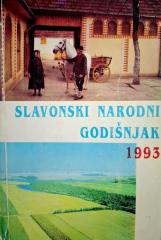
Slavonski narodni godišnjak 1993.
A traditional regional yearbook and calendar from 1993. The publication features texts on Slavonian culture, history, customs, and people. The book preserves local identity and folk heritage.

Vjesnik Hrvatskoga arheološkoga društva, sv III. / 1898
The third volume of "Vjesnik" for 1898 contains genealogical and historical contributions on the Croatian nobility, archaeological and epigraphic studies, ethnological and military-topographic sketches, and a report on the work of the historical society.

Zapisnici općine Osijek 1786.-1794. (Prothocollum des Stadt-Raths zu Esseg)
The book contains the minutes of the Osijek city administration from the period 1786–1794, after the unification of the Osijek municipalities. As a valuable source, it presents the administrative, economic, social and everyday life of the city at the end