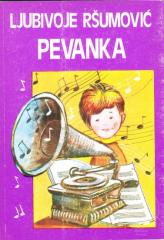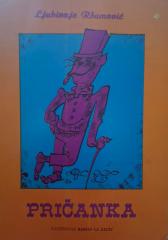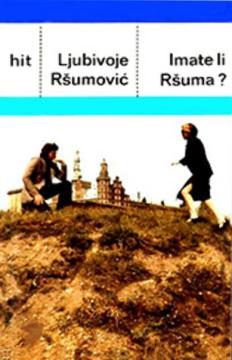
Imate li Ršuma?
Imate li Ršuma? Ljubivoja Ršumovića autobiografski je roman o odrastanju, književnom sazrijevanju i suočavanju s vlastitom prošlošću. Djelo spaja humor, poeziju, ironiju i životnu ispovijest.
Imate li Ršuma? prvi je roman srpskog književnika Ljubivoja Ršumovića, poznatijeg kao pjesnika za djecu. Za razliku od njegovih najpoznatijih dječjih knjiga, ovo je djelo namijenjeno odraslim čitateljima i predstavlja neobičan spoj autobiografije, romana o odrastanju i književne igre. U središtu priče nalazi se glavni junak koji ima brojne sličnosti sa samim autorom te kroz niz susreta, sjećanja i razmišljanja pokušava razumjeti vlastiti životni i književni put.
Radnja nije izgrađena kao klasična linearna priča. Umjesto toga, sastavljena je od epizoda koje povezuju prošlost i sadašnjost. Junak se vraća uspomenama iz djetinjstva, mladosti i prvih književnih pokušaja, susreće osobe koje su obilježile njegov život te preispituje vlastite uspjehe, zablude i razočaranja. Posebno mjesto zauzimaju događaji iz njegove prošlosti koji ponovno izlaze na površinu i prisiljavaju ga na suočavanje sa samim sobom.
Jedna od najvećih posebnosti romana jest stalno miješanje stvarnosti i fikcije. U djelu se pojavljuju stvarna mjesta, stvarne osobe i elementi autorove biografije, ali ih Ršumović obrađuje kroz humor, ironiju i književnu maštu, pa čitatelj nikada nije potpuno siguran gdje završava stvarnost, a počinje fikcija. Istodobno se prozni dijelovi često isprepliću sa stihovima, što romanu daje originalnu strukturu i dodatnu emocionalnu dubinu.
Kroz duhovite situacije, samoironiju i komentare o književnom životu autor govori o sazrijevanju, ljudskim slabostima, društvenim odnosima i ulozi umjetnika u društvu. Imate li Ršuma? stoga nije samo priča o jednom čovjeku nego i roman o stvaranju identiteta, snazi sjećanja i neprestanoj potrazi za vlastitim mjestom u svijetu.
Dva primjerka su u ponudi