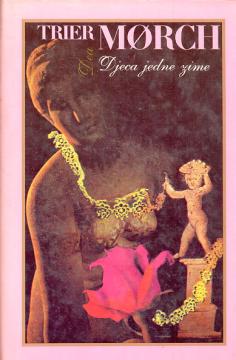
Djeca jedne zime

Djeca jedne zime

Dea Trier Morch

A documentary novel that follows the experiences of women in the maternity ward of Copenhagen City Hospital over the course of one month. The novel, in the form of a diary entry, follows the pregnancy and childbirth of six women at a gynecological clinic.

Through storytelling from the perspectives of different mothers, the author explores themes of motherhood, childbirth, social conditions, and women's emancipation in Denmark in the 1970s. The novel deals with the intimate and universal aspects of childbirth, depicting the joy, fear, pain, and solidarity among women.

The main characters are women from different social classes – from working women to intellectuals – whose stories intertwine in hospital rooms and delivery rooms. Mørch depicts the diversity of their experiences: some women experience childbirth as a triumph, while others go through loss or complications. The novel emphasizes the strength of the female community, but also criticizes social pressures, shortcomings in the health system, and gender inequality. Through simple but emotional language, the author records authentic conversations and feelings, making the reader a participant in these intimate moments.

The work stands out for its realistic depiction of childbirth and motherhood, without embellishment, and its strong feminist message about the importance of a woman's voice and experience. The novel is a significant contribution to Danish literature, celebrating life but also highlighting the challenges women face.

Naslov originala
Vinterbørn
Prevod
Mirko Rumac
Urednik
Mirjana Buljan
Ilustracije
Dea Trier Morch
Naslovnica
Dea Trier Morch
Dimenzije
20,5 x 14 cm
Broj strana
294
Izdavač
Globus, Zagreb, 1987.
 
Tiraž: 3.000 primeraka
 
Latinica. Tvrde korice s omotom.
Jezik: Hrvatski.

Više primeraka je u ponudi

Primerak broj 1

Stanje:Korišćeno, u odličnom stanju
Dodato u korpu!

Primerak broj 2

Stanje:Korišćeno, u odličnom stanju
Dodato u korpu!

Primerak broj 3

Stanje:Korišćeno, u odličnom stanju
Dodato u korpu!
 

Zanima Vas i neka druga knjiga? Možete pretražiti našu ponudu pomoću pretrage ili prelistati knjige po kategorijama.

Možda će Vas zanimati i ovi naslovi

Kako stoje stvari: Predavanje održano u Domu JNA u Zagrebu 17. 12. 1952.

Kako stoje stvari: Predavanje održano u Domu JNA u Zagrebu 17. 12. 1952.

Miroslav Krleža

In his lecture How Things Are (1952), Krleža discusses the political and cultural situation of post-war Yugoslavia, emphasizing the need for critical thought, cultural renewal, and resistance to dogmatism.

Zora, 1953.
Hrvatski. Latinica. Broširano.
12,48
Zaboravite da ste imali kćer

Zaboravite da ste imali kćer

Sandra Gregory, Michael Tierney

Sandra Gregory lived a life in Bangkok that one could only dream of until illness, unemployment and political unrest turned it into a nightmare.

Marjan tisak, 2003.
Hrvatski. Latinica. Broširano.
7,82 - 7,98
Put u Jajce

Put u Jajce

Edvard Kocbek

In Put u Jajce, Edvard Kocbek provides personal and political testimony about key moments in Yugoslav history. The book is based on Kocbek's memories from the Second World War, especially the trip to Jajce in 1943.

Znanje, 1978.
Hrvatski. Latinica. Tvrde korice s omotom.
8,38
Dnevnik 1: Dnevnik 1914 - 17 (Davni dani I)

Dnevnik 1: Dnevnik 1914 - 17 (Davni dani I)

Miroslav Krleža

The 1914–17 diary records Krleža's writings from the First World War: personal dilemmas, pacifism, conflict with the militarism of the Monarchy, and intellectual maturation in the years of the collapse of the old world.

NIŠRO Oslobođenje, 1981.
Hrvatski. Latinica. Tvrde korice.
6,78
Zločin

Zločin

Ivan Potrč

Crime (1955) by Ivan Potrč is a historical novella that focuses on the last days of communist illegals Đuro Đaković and Nikola Hećimović, key figures of the Communist Party of Yugoslavia in the period between the two world wars.

Svjetlost, 1982.
Hrvatski. Latinica. Tvrde korice.
4,28
Dinamit: Povijest klasnog nasilja u Americi

Dinamit: Povijest klasnog nasilja u Americi

Louis Adamić

The book documents a century of violence in the American labor movement — from 19th-century mining strikes to bombings and clashes with police — and exposes the brutal background to America's "class war."

Naklada Binoza, 1933.
Hrvatski. Latinica. Tvrde korice s omotom.
7,24