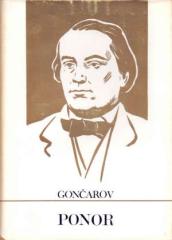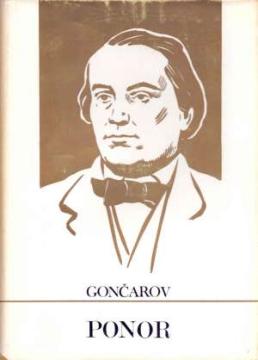
Ponor, sv. 1 – 2

Ponor, sv. 1 – 2

Ivan Gončarov

Dieser zweibändige Roman folgt dem Leben der Hauptfigur, eines jungen Offiziers, durch verschiedene Ereignisse und Herausforderungen.

Goncharov Ivan Alexandrovich, russischer Schriftsteller (Simbirsk, 18. VI. 1812 – St. Petersburg, 27. IX. 1891). Er schloss 1834 sein Literaturstudium an der Universität Moskau ab. Er bekleidete mehrere Positionen im öffentlichen Dienst. Teilnahme an der Expedition von Admiral E. V. Putjatin auf der Militärfregatte, mit der er von England über Afrika, China nach Japan um die Welt reiste und auf dem Landweg über Sibirien zurückkehrte (Reisebuch Fregatte »Pallada«, 1855–57). Seit 1856 Zensor, Herausgeber der offiziellen Zeitung. Als Rentner beschäftigte er sich mit Literaturkritik. In den Romanen Obična povijest (Obyknovennaja istorija, 1847), Oblomov (1859) und Ponor (Obryv, 1869) widmete er sich den Charakteren als Träger bestimmter sozialer Bestrebungen. Sie ist eine Vertreterin des Bürgeraktivismus, der sich gegen aristokratische (romantische) Ideale, aber auch gegen den „Nihilismus“ in den 1860er Jahren wendet (Mark Volohov in Ponor). Obwohl er manchmal weibliche Charaktere poetisiert, ist er ein konsequenter Realist, insbesondere in der Beschreibung der Charaktere und ihres Aussehens sowie ihrer sozialen Motive. Aufgrund der symbolischen Dimension seiner Figuren galt er für D. S. Merezhkovski als Vorläufer der russischen Symbolik. Der Charakter des „überflüssigen Mannes“ von Oblomov, dem begabten Besitzer von „Oblomovka“ – einem Anwesen, das ihm Einkommen bringt und das seinem Diener Zahar überlassen wurde, ist zu einem Symbol geworden. Oblomow wurde in der russischen Kritik in den 1860er Jahren des russischen „ladanischen“ Adels des Parasitismus und der Apathie beschuldigt (N. A. Dobrolyubov, Was ist Oblomow?), aber die spätere gesellschaftliche Entwicklung Russlands bestätigte nur, dass Oblomow tatsächlich der „ewige Typ“ ist " der Weltliteratur.

Translation
Petar Vujičić
Editor
Izet Sarajlić
Graphics design
Mario Mikulić
Dimensions
21 x 15 cm
Pages total
786
Publisher
Veselin Masleša, Sarajevo, 1969.
 
Latin alphabet. Hardcover with dust jacket.
Language: Croatian.

The book consists of two volumes.

Jedan višetomni primjerak je u ponudi.
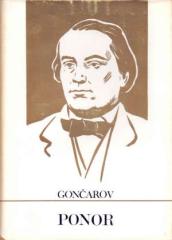
Ponor, sv. 1 – 2
Volume 1
Pages: 357
Condition:Used, excellent condition
Damages or inconvenience notice:
  • Die Abdeckung fehlt
Ponor, sv. 1 – 2
Volume 2
Pages: 429
Condition:Used, excellent condition
 

Are you interested in another book? You can search the offer using our search engine or browse books by category.

You may also be interested in these titles

Carica Orhideja

Carica Orhideja

Anchee Min

"The Orchid Empress" by author Anchee Min tells the powerful and complex life story of Zhen Ying, a powerful and ambitious woman who, growing up in a rural Chinese village, tries to find her way in a turbulent period of Chinese history.

Naklada Ljevak, 2010.
Croatian. Latin alphabet. Paperback.
4.32
Mafija esesovaca

Mafija esesovaca

Victor Alexandrov

U ovoj knjizi autor detaljno opisuje kako je u praksi sproveden precizno osmišljen plan o tajnom nastavku delovanja SS-a, koji je nastao tokom Drugog svetskog rata.

Globus, 1982.
Croatian. Latin alphabet. Hardcover with dust jacket.
7.98
Skandalozno

Skandalozno

Tilly Bagshawe

Studentske godine provedene na Cambridgeu Tilly Begshawe poslužile su jednim dijelom kao prozna kulisa unutar koje je izgradila fabulu romana Skandalozno.

Znanje, 2011.
Croatian. Latin alphabet. Paperback.
2.78
Mila 18

Mila 18

Leon Uris

Mila 18 is a novel about the legendary uprising in the Warsaw ghetto. To write the novel, Uris spent years studying archival materials, visiting the places where the events took place and talking to survivors of the ghetto...

Matica hrvatska, 1970.
Croatian. Latin alphabet. Hardcover with dust jacket.
7.24
Stanko Vraz

Stanko Vraz

Ivan Martinčić
Erasmus, 1994.
Croatian. Latin alphabet. Paperback.
0.99
Seljaci

Seljaci

Honore de Balzac

Roman Seljaci (1844.) realističan je prikaz francuskog seoskog života u prvoj polovici 19. stoljeća. Knjiga ostavlja dojam tragične borbe između starog poretka i novih društvenih snaga, čineći je ključnim djelom francuskog realizma.

Kultura, 1950.
Croatian. Latin alphabet. Hardcover with dust jacket.
2.99 - 4.32