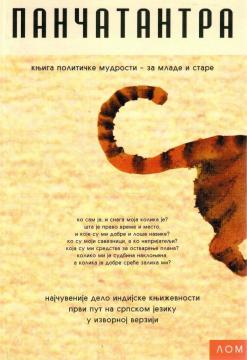
Pančatantra
The Panchatantra was conceived as a kind of manual for rulers, in which popular wisdom is combined with philosophy, psychology and politics, and all of this is presented in a simple and elegant style of superior literature.
Panchatantra—specifically in its oldest surviving recension, the Tantrakhyayika—is one of the most significant works of ancient Indian narrative literature, dating back to approximately the 3rd century BCE. This collection of fables, instructive tales, and wise sayings belongs to the rich Sanskrit tradition; its oldest surviving recension, the Tantrakhyayika (Tantrākhyāyika), serves as a particularly valuable source for studying the work's original form.
The collection is organized into five thematically linked books that explore—through stories about animals and humans—themes such as friendship, enmity, political wisdom, diplomacy, prudence, and the consequences of rash decisions. The frame story centers on a sage who instructs three princes in the art of governance and navigating life.
A distinctive feature of the work is its story-within-a-story structure, in which prose passages are interwoven with verses, proverbs, and moral lessons. Animal characters embody various human traits, and their adventures reveal complex dynamics of power, trust, deception, and loyalty.
Over the centuries, the Panchatantra has been translated and adapted into numerous languages, exerting a profound influence on the global tradition of fables and didactic literature. The Tantrakhyayika recension is particularly significant as it preserves an older, more tightly structured version of the collection. Even today, the work attracts readers with its universal life wisdom, wit, and insightful understanding of human nature.
One copy is available