Miroslav Krleža
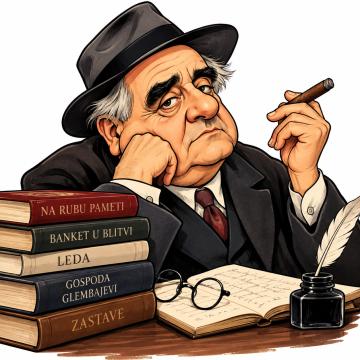
Miroslav Krleža (7. Juli 1893 – 29. Dezember 1981) war einer der bedeutendsten kroatischen Schriftsteller des 20. Jahrhunderts – ein Dichter, Romanautor, Dramatiker, Essayist und Enzyklopädist. Er wurde in Zagreb geboren und besuchte die österreichisch-ungarische Militärakademie, widmete sich jedoch schnell der Literatur und intellektuellen Aktivitäten. Er war ein scharfer Kritiker sozialer Ungerechtigkeit, Kleinbürgertums und politischen Opportunismus, die einen Großteil seiner Literatur kennzeichneten.
Sein Werk umfasst ein breites Spektrum an Genres. Bemerkenswert sind der Romanzyklus über die Glembays (Die Glembays, In Agonie, Leda) und der epische Roman Die Rückkehr von Filip Latinovicz (1932). Er schrieb auch Essays, Tagebücher, Kritiken, enzyklopädische Artikel und Gedichte, beispielsweise die aus der Sammlung Pan.
Krležas Stil zeichnet sich durch einen reichen Wortschatz, komplexe Sätze, intellektuelle Tiefe und ironische Distanz aus. Er war eine Schlüsselfigur der kroatischen Kultur und einer der Gründer des Lexikografischen Instituts (heute Lexikografisches Institut Miroslav Krleža). Trotz politischem Druck blieb er seiner intellektuellen Autonomie treu.
Krležas Erbe ist aus dem kroatischen Kanon nicht wegzudenken und unverzichtbar für das Verständnis der Moderne und des historischen Schicksals Kroatiens und Mitteleuropas.
Titel im Angebot
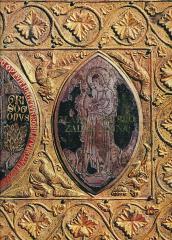
Zlato i srebro Zadra i Nina
Ein kritischer Essay und ein Ausstellungsvorwort, in denen Miroslav Krleža das kroatische Kulturerbe, die Identität und den jahrhundertelangen Widerstand gegen fremde Einflüsse anhand der Geschichte sakraler Gold- und Silberarbeiten aus Zadar und Nin würd