Miroslav Krleža
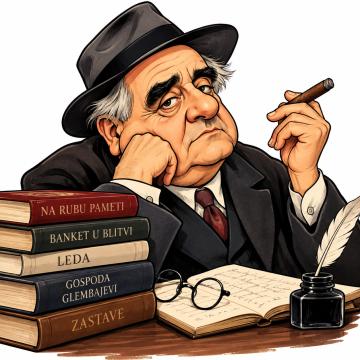
Miroslav Krleža (7. srpnja 1893. – 29. prosinca 1981.) bio je jedan od najvažnijih hrvatskih književnika 20. stoljeća – pjesnik, romanopisac, dramatičar, esejist i enciklopedist. Rođen je u Zagrebu, školovao se u Austro-Ugarskoj vojnoj akademiji, ali se brzo posvetio književnosti i intelektualnom djelovanju. Bio je snažan kritičar društvene nepravde, malograđanštine i političkog oportunizma, što je obilježilo velik dio njegove literature.
Njegov opus obuhvaća širok spektar žanrova. Ističu se romaneskni ciklus o Glembajevima (Gospoda Glembajevi, U agoniji, Leda), te epski roman Povratak Filipa Latinovicza (1932). Pisao je i eseje, dnevnike, kritike, enciklopedijske članke te pjesme poput onih iz zbirke Pan.
Krležin stil obilježen je bogatim vokabularom, složenom rečenicom, intelektualnom dubinom i ironijskim distanciranjem. Bio je ključna figura u hrvatskoj kulturi i jedan od osnivača Leksikografskog zavoda (danas LZ Miroslav Krleža). Unatoč političkim pritiscima, ostao je vjeran intelektualnoj autonomiji.
Krležino nasljeđe neizostavno je u hrvatskom kanonu i nezaobilazno u razumijevanju moderniteta i povijesne sudbine Hrvatske i srednje Europe.
Titel im Angebot
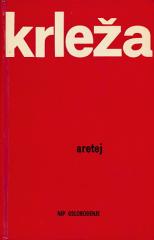
Aretej
Kasna drama Miroslava Krleže kroz paralelne sudbine antičkog i modernog liječnika raščlanjuje motiv intelektualca u procjepu između političke represije, ratnih strahota i vlastite savjesti.
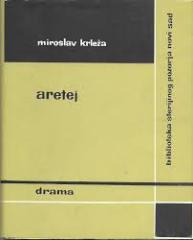
Aretej: drama
Krležina drama s obimnim pogovorom Branka Hećimovića, biobibliografskim prilozima Slavka Batušića i s fotografijama scena "Areteja" u izvođenju Narodnog pozorišta, Beograd.
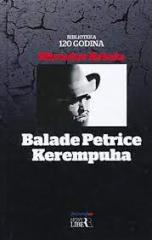
Balade Petrice Kerempuha
Najveće pjesničko ostvarenje Miroslava Krleže i jedno od najvažnijih djela hrvatske književnosti. Balade spajaju satiru, ironiju i lirsko-folklorne tonove u osudi nasilja i gluposti vlasti kroz stoljeća.
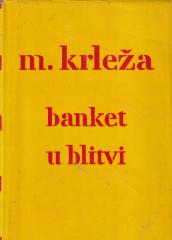
Banket u blitvi: Roman u tri knjige
Radnja je smještena u Blitvu, fiktivnu zemlju na sjeveroistoku Europe, koja je nakon stoljeća tuđinske vlasti i političke nestabilnosti postala samostalna država pod diktatorskom vlašću okrutnog poručnika Barutanskog.
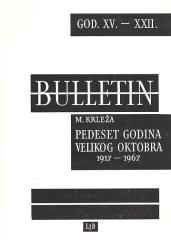
Bulletin - Pedeset godina Velikog oktobra 1917. - 1967.
U “Pedeset godina Velikog oktobra 1917.–1967.” Miroslav Krleža piše o Oktobarskoj revoluciji iz perspektive pisca koji joj je idejno blizak, ali koji se nikada nije suglasio s njezinim pretvaranjem u sustav rigidnih istina.

Članci i polemike 1: Ratne teme
Zbirka Krležinih publicističkih tekstova, komentara i analiza nastalih tijekom i neposredno nakon Prvoga svjetskog rata, važna za razumijevanje njegova intelektualnog razvoja i podloge za kasnija djela.

Članci i polemike 2: Sa uredničkog stola
Zbirka Članci i polemike 2: Sa uredničkog stola obuhvaća eseje, kritike i polemičke tekstove nastale tijekom Krležina angažmana kao urednika različitih književnih časopisa, poput Književne republike i Pečata.
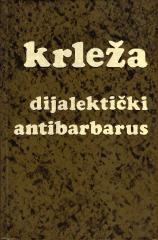
Dijalektički antibarbarus
Krležin najpoznatiji polemički tekst u kojem oštro napada dogmatski vulgarni marksizam i lošu tendencioznu literaturu unutar ljevice, braneći umjetničku slobodu i intelektualnu autonomiju. Kulminacija sukoba na književnoj ljevici.
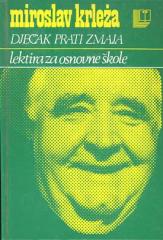
Dječak prati zmaja
“Dječak prati zmaja” je knjiga koja nas vodi na fantastično putovanje i potiče nas da razmišljamo o životu i svijetu na drugačiji način.
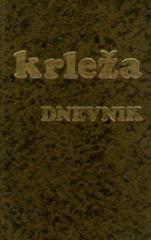
Dnevnik 1: Dnevnik 1914 - 17 (Davni dani I)
Dnevnik 1914–17 bilježi Krležine zapise iz Prvoga svjetskog rata: osobne dileme, pacifizam, sukob s militarizmom Monarhije te intelektualno sazrijevanje u godinama raspada staroga svijeta.