Gustave Flaubert

Gustave Flaubert (Rouen, 12. Dezember 1821 – Croisset, 8. Mai 1880) war ein französischer Schriftsteller und eine Schlüsselfigur des europäischen Realismus. Als Sohn eines angesehenen Chirurgen wuchs er in Rouen auf und begann in den 1840er Jahren ein Jurastudium in Paris. Er schloss dieses jedoch nicht ab, sondern zog sich auf das Familiengut in Croisset zurück, wo er den Großteil seines Lebens der Literatur widmete. Er bereiste Europa, Ägypten sowie den Nahen Osten und verarbeitete die auf diesen Reisen gewonnenen Eindrücke später in seinen literarischen Werken.
Flaubert betrachtete Literatur als anspruchsvolle künstlerische Disziplin. Er war bekannt für sein geradezu obsessives Augenmerk auf Stil, Satzrhythmus und das Streben nach dem präzisen Ausdruck – dem berühmten le mot juste (dem richtigen Wort). Seine Prosa verbindet realistische Gesellschaftsbeobachtung mit Ironie, psychologischer Analyse und außergewöhnlicher stilistischer Raffinesse.
Weltruhm erlangte er mit dem Roman Madame Bovary (1857), der Geschichte von Emma Bovary, einer Frau aus der Provinz, deren romantische Ideale mit der Banalität des Alltags kollidieren. Nach der Veröffentlichung des Romans musste sich Flaubert wegen eines angeblichen Verstoßes gegen die öffentliche Moral vor Gericht verantworten, wurde jedoch freigesprochen. Das Werk entwickelte sich bald zu einem Eckpfeiler der französischen realistischen Erzählkunst.
Es folgten der im antiken Karthago spielende historische Roman Salammbô (1862) sowie Die Erziehung der Gefühle (1869) – ein umfassendes Porträt der französischen Gesellschaft und der Desillusionierung jener Generation, die die Revolution von 1848 miterlebt hatte. 1874 veröffentlichte er Die Versuchung des heiligen Antonius – ein Werk, an dem er jahrzehntelang gearbeitet hatte – und 1877 die Sammlung Drei Erzählungen, bestehend aus „Ein schlichtes Herz“, „Die Legende vom heiligen Julian dem Gastfreien“ und „Herodias“.
Seine letzten Lebensjahre widmete er dem satirischen Roman Bouvard und Pécuchet, der unvollendet blieb und posthum veröffentlicht wurde. Ein wesentlicher Teil seines Vermächtnisses ist sein umfangreicher Briefwechsel, der für das Verständnis seines Schaffensprozesses und seiner literarischen Auffassungen von unschätzbarem Wert ist.
Flauberts Ideal einer präzisen, objektiven und stilistisch disziplinierten Prosa übte einen starken Einfluss auf den späteren Realismus und den modernen Roman aus. Madame Bovary, Die Erziehung der Gefühle und seine Erzählungen zählen nach wie vor zu den bedeutendsten Werken der französischen Literatur des 19. Jahrhunderts.
Titel im Angebot

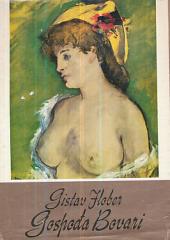
Gospođa Bovari
Dies ist eine ausgezeichnete romantische Geschichte über eine gescheiterte Ehe, leidenschaftlichen Ehebruch und den Selbstmord einer jungen Frau, die von einem aufregenden Leben träumte und vergeblich auf eine Abwechslung im Kleinstadtalltag wartete.

Gospođa Bovari
Dieser Roman erzählt die Geschichte von Emma Bovary, einer jungen und verträumten Frau, die in einer unbefriedigenden Ehe mit dem Landarzt Charles Bovary gefangen ist.
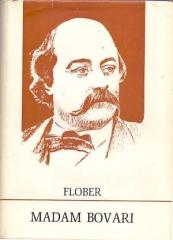
Madam Bovari
Madame Bovary ist ein Meisterwerk des berühmten französischen Schriftstellers Gustave Flaubert und ein Klassiker der Weltliteratur. Der 1857 veröffentlichte Roman erzählt die tragische Geschichte von Emma Bovary, einer Frau, die mit ihrem Leben auf dem fr

Madame Bovary
Emma Bovary, die Frau eines Provinzarztes, sucht das romantische Glück in Liebesaffären und Luxus. Ihre Träume kollidieren mit der Realität und führen zum Ruin.

Sentimentalni odgoj: Povijest mladog čovjeka
Sentimentale Erziehung ist ein Roman von Gustave Flaubert über die zersetzende Wirkung der Zeit auf jugendliche Illusionen.