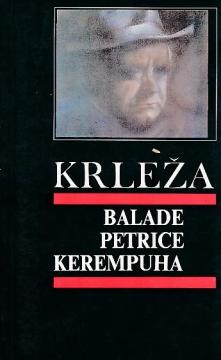
Balade Petrice Kerempuha

Miroslav Krležas größtes poetisches Werk und eines der bedeutendsten Werke der kroatischen Literatur. Die Balladen vereinen Satire, Ironie und lyrisch-folkloristische Elemente zu einer Anklage gegen die Gewalt und Dummheit der Regierungen im Laufe der Jah
In den Balladen der Petrica Kerempuh schafft Miroslav Krleža ein literarisches Werk, das zugleich historische Klage, politische Anklage und poetisches Fresko des kroatischen Nordens ist. Die Hauptstimme der Sammlung, die fiktive Petrica Kerempuh, eine Volksweise und Spötterin, betrachtet die Geschichte „von unten“: aus der Perspektive von Bauern, Leibeigenen, Ausgegrenzten und all jenen, die jahrhundertelang unter Fremdherrschaft litten.
Die Sammlung umfasst einen weiten Zeitraum – von mittelalterlichen Aufständen und Verfolgungen bis zu den Tragödien der frühen Neuzeit. Mit Kajkavština, einer Sprache voller Rhythmus, Metaphern, Sprichwörter und ironischer Wortspiele, erweckt Krleža die ganze Welt der verlorenen Stimmen zum Leben: Opfer von Gewalt, Hungernde, Verspottete, Getäuschte. Petrica durchstreift diese Landschaft als Kommentator, nicht unterwürfig, aber auch nicht naiv – sein Humor trägt die Bitterkeit der Erfahrung in sich, und seine Ironie entlarvt die Grausamkeit der Machthabenden.
Im Hintergrund der Balladen entfalten sich die Schrecken der Geschichte: Hinrichtungen, Feldzüge, Aufstände, Epidemien, Raubüberfälle und politische Verfolgung. Doch in dieser Dunkelheit findet Krleža auch Motive des Widerstands – den Trotz der Bauernmassen, die Kraft der Einheit, das Lachen als letzte Waffe derer, die keine andere mehr haben. Die Sammlung wird so zu einer Chronik des Leidens, aber auch zu einem Zeugnis der Beharrlichkeit eines Volkes, das dank Witz und unerschütterlicher Hoffnung überlebt.
Petrica verkörpert als lyrischer Protagonist die Verbindung von Volksweisheit und literarischer Maske. Er sieht alles: die Leere historischer Ideologien, die Heuchelei der Machthaber, die Wiederholung von Tragödien. Krleža nutzt ihn, um über jahrhundertealte Ungerechtigkeiten zu sprechen, aber auch, um zu zeigen, wie die Wahrheit oft in der Sprache der Spötter und Witze bewahrt wird und nicht in den Reden der Herrscher.
Im Angebot sind keine Exemplare vorhanden
Das letzte Exemplar wurde kürzlich verkauft.