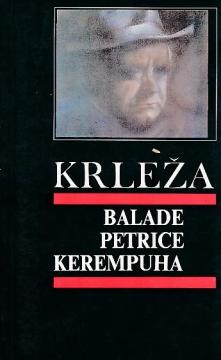
Balade Petrice Kerempuha

Najveće pesničko dostignuće Miroslava Krleže i jedno od najvažnijih dela hrvatske književnosti. Balade kombinuju satiru, ironiju i lirsko-folklorne tonove u osudi nasilja i gluposti vlasti kroz vekove.
U Baladama Petrice Kerempuha, Miroslav Krleža stvara književno delo koje istovremeno deluje kao istorijska tužbalica, politička optužnica i poetska freska hrvatskog severa. Glavni glas zbirke, fiktivni Petrica Kerempuh, narodni mudrac i rugač, posmatra istoriju „odozdo“: iz perspektive seljaka, kmetova, marginalizovanih ljudi i svih onih nad kojima je vekovima nametnuta strana vlast.
Zbirka obuhvata širok vremenski raspon — od srednjovekovnih buna i progona do tragedija ranog modernog doba. Kroz kajkavštinu, jezik pun ritma, metafora, poslovica i ironičnih kalambura, Krleža oživljava čitav svet izgubljenih glasova: žrtve nasilja, gladne, ismejane, prevarene. Petrica se kreće kroz ovaj pejzaž kao komentator, ne ponizan, ali ni naivan — njegov humor nosi gorčinu iskustva, a njegova ironija razotkriva okrutnost onih na vlasti.
U pozadini balada, odvijaju se strahote istorije: vešanja, vojni pohodi, pobune, epidemije, pljačke i politički progoni. Ali u tom mraku, Krleža pronalazi i motive otpora — prkos seljačkih masa, snagu jedinstva, smeh kao poslednje oružje onih koji nemaju drugo. Zbirka tako postaje hronika patnje, ali i svedočanstvo o istrajnosti naroda koji opstaje zahvaljujući duhovitosti i nepokolebljivoj nadi.
Petrica, kao lirski protagonista, otelotvoruje spoj narodne mudrosti i književne maske. On vidi sve: prazninu istorijskih ideologija, licemerje vlasti, ponavljanje tragedija. Krleža ga koristi da govori o vekovnoj nepravdi, ali i da pokaže kako se istina često čuva u jeziku podsmevača i šale, a ne u govorima vladara.
No copies available
The last copy was sold recently.