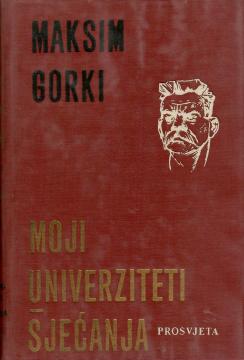
Moji univerziteti / Sjećanja (V. I. Lenjin, Lav Tolstoj, A. P. Čehov)
„Meine Universitäten“, der dritte Teil der autobiografischen Trilogie Maxim Gorkis, rundet die Geschichte seiner Reifung und intellektuellen Entwicklung ab. „Memories“ enthält autobiografische Aufzeichnungen von Treffen mit W. I. Lenin, Leo Tolstoi und A.
Der Roman beginnt mit Alexeis Ankunft in Kasan, einer Stadt, die für ihn ein Symbol der Hoffnung und des intellektuellen Fortschritts darstellt. Er ist überzeugt, dass er dort eine formelle Ausbildung erhalten und einen Weg in ein besseres Leben finden wird. Die Realität ist jedoch hart. Aleksei hat keine Mittel für eine Schulausbildung und muss harte Arbeit leisten, um zu überleben.
Während seiner Arbeit als Arbeiter beginnt Aleksey, „Universitäten des Lebens“ zu besuchen – informelle Zusammenkünfte von Arbeitern, Intellektuellen und politischen Aktivisten. Diese Zusammenkünfte öffnen die Tür zur Welt der Literatur, Philosophie und Ideen zum gesellschaftlichen Wandel. Durch Gespräche und Interaktionen mit verschiedenen Menschen entwickelt Alexey nach und nach seine revolutionären Ideen und seine kritische Sicht auf die Gesellschaft.
Trotz Hunger, Armut und ständigem Überlebenskampf findet Aleksey Trost in Büchern und Lernen. Am Ende kommt er zu der Erkenntnis, dass formale Bildung nicht der einzige Weg zum Wissen ist. Die Lebenslektionen, die er sich unter Menschen und durch seine eigenen Erfahrungen angeeignet hat, werden zu seinen wahren „Universitäten“.
„Meine Universitäten“ ist nicht nur die Geschichte seiner persönlichen Entwicklung, sondern auch eine Kritik an der Gesellschaft und dem System, das die Arbeiterklasse davon abhält, eine Ausbildung zu erhalten. „Meine Universitäten“ ist ein kraftvoller Abschluss von Gorkis autobiografischer Trilogie. Dieses Buch unterstreicht den Wert des Selbststudiums, der Willenskraft und des Kampfes für Gerechtigkeit und macht es auch heute noch relevant.
Dieses Werk bietet einen intimen Einblick in die Persönlichkeiten Lenins, Tolstois und Tschechows, deren Ideen und Einfluss auf Gorki, aber auch in den weiteren sozialen und kulturellen Kontext Russlands im späten 19. und frühen 20. Jahrhundert. Das Buch ist in drei Teile gegliedert, die jeweils einem dieser großen Männer gewidmet sind, wobei der Schwerpunkt auf ihren persönlichen und beruflichen Qualitäten, Gesprächen mit Gorki und Reflexionen über ihre Bedeutung liegt.
- Gorki beschreibt Lenin als einen äußerst intelligenten, charismatischen und entschlossenen Führer. Er spricht mit besonderer Bewunderung über seine Einfachheit und seinen Sinn für Humor, aber auch über sein leidenschaftliches Engagement für die Ideen der Revolution und die Verbesserung der Arbeiterklasse.
Berücksichtigt Lenins Philosophie, seine Energie in der politischen Arbeit und seine Fähigkeit, andere zu inspirieren. Dennoch zögert Gorki nicht, seine eigenen Vorbehalte gegenüber bestimmten Ideen Lenins zum Ausdruck zu bringen und zeigt die Komplexität ihrer Beziehung auf.
- Gorki ist fasziniert von Tolstois unglaublichem Intellekt, Humanismus und philosophischen Reflexionen über Leben, Tod und Gesellschaft. In „Memories“ bringt er eine Reihe von Anekdoten mit, die Tolstois tiefe Verbundenheit mit der Natur und einer einfachen Lebensweise veranschaulichen.
Er betont auch Tolstois moralische Strenge, die manchmal zu Konflikten mit seinen Zeitgenossen führt. Gorki beschreibt ihn als eine komplexe Persönlichkeit – einen genialen Denker, aber auch einen Mann, der zu inneren Dilemmata und Widersprüchen neigt.
- Gorki porträtiert Tschechow als einen bescheidenen, warmherzigen und geistreichen Mann, der Menschen aus allen Gesellschaftsschichten stets mitfühlend gegenüberstand. Er untersucht insbesondere Tschechows Fähigkeit, in seinen Werken durch einfache Geschichten tiefe Wahrheiten über die menschliche Natur aufzuzeigen.
Gorki bewundert Tschechows Mut im Umgang mit der Krankheit (Tuberkulose) sowie seine Sanftmut und Würde. Ihre Freundschaft war geprägt von gegenseitigem Respekt und Verständnis.
Im Angebot sind keine Exemplare vorhanden
Das letzte Exemplar wurde kürzlich verkauft.