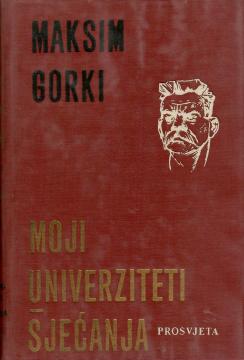
Moji univerziteti / Sjećanja (V. I. Lenjin, Lav Tolstoj, A. P. Čehov)
"Moji univerziteti", treći dio autobiografske trilogije Maksima Gorkog, zaokružuje priču o njegovom sazrijevanju i intelektualnom razvoju. "Sjećanja" donose autobiografske zapise o susretima s V. I. Lenjinom, Lavom Tolstojem i A. P. Čehovom.
Roman počinje dolaskom Alekseja u Kazanj, grad koji za njega predstavlja simbol nade i intelektualnog napretka. Uvjeren je da će ondje steći formalno obrazovanje i pronaći put prema boljem životu. Međutim, stvarnost je surova. Aleksej nema sredstava za školovanje i prisiljen je raditi teške poslove kako bi preživio.
Dok radi kao fizički radnik, Aleksej počinje posjećivati "univerzitete života" – neformalna okupljanja radnika, intelektualaca i političkih aktivista. Ova okupljanja otvaraju mu vrata u svijet književnosti, filozofije i ideja o društvenim promjenama. Kroz razgovore i interakcije s raznim ljudima, Aleksej postupno razvija svoje revolucionarne ideje i kritički pogled na društvo.
Unatoč gladi, siromaštvu i neprestanim borbama za opstanak, Aleksej pronalazi utjehu u knjigama i učenju. Na kraju, dolazi do spoznaje da formalno obrazovanje nije jedini put prema znanju. Životne lekcije koje je stekao među ljudima i kroz vlastita iskustva postaju njegovi pravi "univerziteti".
"Moji univerziteti" nisu samo priča o njegovom osobnom razvoju, već i kritika društva i sustava koji obeshrabruje radničku klasu da se obrazuje. "Moji univerziteti" su snažan završetak Gorkijeve autobiografske trilogije. Ova knjiga ističe vrijednost samostalnog učenja, snage volje i borbe za pravdu, čineći je relevantnom i danas.
Ovo djelo pruža intiman uvid u osobnosti Lenjina, TOlstoja i Čehova, ideje i utjecaj koji su imali na Gorkija, ali i na širi društveni i kulturni kontekst Rusije krajem 19. i početkom 20. stoljeća. Knjiga je podijeljena u tri dijela, svaki posvećen jednom od tih velikana, s naglaskom na njihove osobne i profesionalne osobine, razgovore s Gorkijem i refleksiju o njihovom značaju.
- Gorki opisuje Lenjina kao izuzetno inteligentnog, karizmatičnog i odlučnog vođu. S posebnim divljenjem govori o njegovoj jednostavnosti i smislu za humor, ali i o strastvenoj posvećenosti idejama revolucije i boljitku radničke klase. Razmatra Lenjinovu filozofiju, energiju u političkom radu te njegovu sposobnost inspiriranja drugih. Ipak, Gorki se ne ustručava iznijeti i vlastite rezerve prema određenim Lenjinovim idejama, pokazujući složenost njihovog odnosa.
- Gorki je fasciniran Tolstojevim nevjerojatnim intelektom, humanizmom i filozofskim razmatranjima o životu, smrti i društvu. U "Sjećanjima" donosi niz anegdota koje ilustriraju Tolstojevu duboku povezanost s prirodom i jednostavnim načinom života. Ističe i Tolstojevu moralnu strogost, što ponekad vodi do sukoba s njegovim suvremenicima. Gorki ga opisuje kao kompleksnu osobnost – genijalnog mislioca, ali i čovjeka sklonog unutarnjim dilemama i proturječjima.
- Gorki prikazuje Čehova kao skromnog, toplog i duhovitog čovjeka, koji je uvijek bio suosjećajan prema ljudima iz svih slojeva društva. Posebno se osvrće na Čehovljevu sposobnost da u svojim djelima kroz jednostavne priče prikaže duboke istine o ljudskoj prirodi. Gorki se divi Čehovljevoj hrabrosti u suočavanju s bolešću (tuberkulozom), kao i njegovoj blagosti i dostojanstvu. Njihovo prijateljstvo bilo je obilježeno uzajamnim poštovanjem i razumijevanjem.
Nema primjeraka u ponudi
Poslednji primjerak je nedavno prodan.