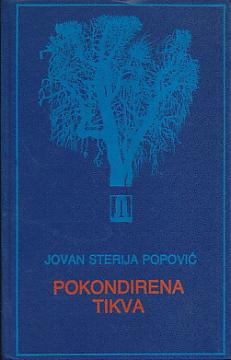
Pokondirena tikva
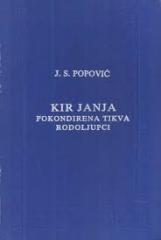
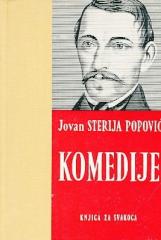
Pokondirena tikva je komedija čuvenog Jovana Sterije Popovića, pisca i jednog od najboljih srpskih komediografa svih vremena, takođe i osnivača srpske drame.
Delo je objavljeno 1838. godine, i govori o udovici Femi, ženi koja je, nakon smrti muža, pokušala silom da se uzdigne u društvu. Ona ima novac koji joj je muž ostavio nakon celog života napornog rada, u kome mu je i ona pomagala, ali pokušava da porekne ceo taj prošli život, ponašajući se kao da je oduvek bila plemićkog porekla. Poriče da je ikada radila, da joj je muž bio obućar, da je i njena sadašnja porodica vredna i uspešna. Umesto toga, ona se kiti nepotrebnim drangulijama i skupim haljinama, zahtevajući da joj ćerka bude podjednako gospodska, da se njene sluge ponašaju kao sluge gospode i tako dalje. Sve to izaziva smeh kod čitalaca, jer, na primer, prethodni šegrt Jovan ne može preko noći da se transformiše u prefinjenog slugu Johana, Žana ili Hansa, koji tečno govori francuski i zna da se obuče po najnovijoj modi. Međutim, iza svih ovih smešnih situacija i ludih zahteva gospođe Feme, krije se veoma duboka poenta dela. Fema se ponaša kao da je luda žena. Ona izbacuje nameštaj iz kuće jer je takav dekor u modi, govori francuski i nemački iako je potpuno nespretna u stranim jezicima, zamišlja da se druži sa grofovima i baronima, iako joj je jedina prijateljica žena koja se takođe pravi plemkinja, a zapravo je kuvarica – obe impresioniraju jedna drugu svojim društvom, ne znajući da su obe lažne. Fema želi da uda ćerku za poznatog filozofa, a kada joj on zaprosi brak tokom aranžmana – ona sebi daje titulu „gospođa filozof“ – ponosna što je niko nema, iako ta titula zapravo ništa ne znači. Zbog svega toga, gospođa Fema je „pokondirena tikva“, izraz koji je skovao sam Sterija Popović, a kasnije se u srpskom jeziku ustalio kao ispravan izraz za osobu koja je niko i ništa, ali sebe smatra važnom. Ona se ukrasila lažnim sjajem i ponosi se njime, a svi oko nje vide da je bezvredna, pa čak ni ne razumeju njenu potrebu za samohvalom. Razmažena bundeva je „svinja koja želi da bude jahana“, još jedan opis iz ove drame, i savršeno opisuje karakter ove dame. Ova komedija zapravo nema pravu radnju. Nema posebnih događaja koji bi mogli da formiraju klasičan uvod, zaplet, vrhunac i rasplet. Čitava suština dela vrti se oko postupaka gospođe Feme. Mali fragmenti radnje su zapravo prikazi Feminih ludorija. Ona ništa ne radi, samo sedi u sobi i naređuje ljudima oko sebe. A to naređivanje se svodi na žaljenje na njihovu vulgarnost i uzdizanje sebe kao „plemenite“ ili plemenite. Osim reči, nijedan drugi postupak ne pokazuje da je ova žena zaista plemenita. Kao takva, ona privlači ljude slične sebi, i skoro se udala za lažnog filozofa, misleći da će se uzdići, dok isti taj filozof, bivši prodavac, pokušava da zavede (lažne) gospodu lažnim glamurom i tako se uzdigne na društvenoj lestvici.
Angeboten wird ein Exemplar