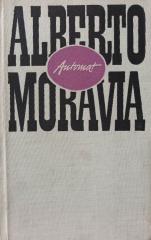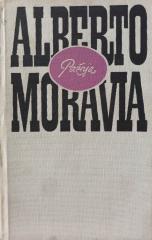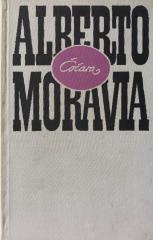
Pažnja

Francesco Merighi kehrt nach neun Jahren im Ausland nach Rom zurück. Um einen „authentischen“ Roman zu schreiben, führt er Tagebuch über sein Leben mit seiner Frau und seiner Tochter Babe. Er analysiert obsessiv Lügen in Be
Aufmerksamkeit ist ein experimenteller Roman von Alberto Moravia aus dem Jahr 1965, entstanden fünf Jahre nach Langeweile, und markiert den Höhepunkt seiner introspektiven, metafiktionalen Phase. Die Struktur ist komplex: ein Prolog (eine Erklärung, warum er Tagebuch führt), ein Hauptteil (das Tagebuch selbst) und ein Epilog (der Schluss).
Der Protagonist Francesco Merighi, ein Journalist, der neun Jahre als Korrespondent im Ausland verbracht hat, kehrt entfremdet von seiner Frau Cora (einer reichen, manipulativen Frau) und ihrer Tochter Babe (einem jungen, sinnlichen Mädchen aus Coras erster Ehe) nach Rom zurück. Francesco möchte einen Roman schreiben, der „authentisch“ ist – nicht so gekünstelt wie sein bisheriges Leben. Deshalb beschließt er, Tagebuch zu führen: Er hält jeden Tag, jeden Gedanken, jede Begegnung fest und versucht, die Realität spontan einzufangen und Lügen zu vermeiden.
Doch gerade diese „Aufmerksamkeit“ offenbart eine tiefe Unaufrichtigkeit: Seine Ehe mit Cora ist kalt, pragmatisch, von Manipulation und Geldgier geprägt; Cora nutzt ihn aus, er duldet sie. Das zentrale Motiv ist die inzestuöse Spannung gegenüber Babe – Francesco fühlt sich zu ihr hingezogen, ist sich aber gleichzeitig des Verbots und der moralischen Lüge bewusst. Er analysiert jeden Gedanken, jeden Blick, jede Geste – er versucht, ehrlich zu sich selbst zu sein, erkennt aber, dass selbst das Tagebuch zu einer neuen Form der Lüge wird: Er schreibt, um sich zu rechtfertigen, um die Realität zu kontrollieren.
Der Roman ist eine Metaerzählung: Francesco schreibt einen Roman im Roman (ein Tagebuch), und Moravia zeigt die Unmöglichkeit wahrer Authentizität im modernen Leben auf – alles ist inszeniert, gefangen in Sprache, sozialen Rollen und erotischer Obsession. Die Themen sind: Lügen in der Ehe, die Unmöglichkeit der Kommunikation, sexuelles Verlangen als Flucht aus der Leere, die existenzielle Krise eines Schriftstellers, dem es nicht gelingt, das Leben zu erfassen.
Der Stil ist introspektiv, analytisch, mit langen Monologen und Wiederholungen – typisch für Moravias spätere Phase (beeinflusst von Sartre und dem Existenzialismus). Das Werk ist weniger erotisch explizit als seine früheren Romane, philosophischer: Es geht um „Aufmerksamkeit“ als Werkzeug, das enthüllt, aber auch Lügen erzeugt. Kritiker sehen es als Übergangswerk – von der Gesellschaftskritik hin zu einer tiefen Krise der Identität und der Literatur selbst.
Angeboten wird ein Exemplar