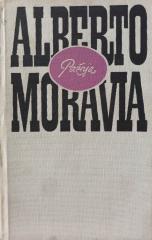
Pažnja

Francesco Merighi vraća se u Rim nakon 9 godina u inozemstvu. Da bi napisao "autentičan" roman, vodi dnevnik o životu sa suprugom i njezinom kćeri Babe. Opsesivno analizira laž u odnosima, iskušenje incesta i nemogućnost autentičnosti.
Pažnja je eksperimentalni roman Alberta Moravije iz 1965., pisan pet godina nakon Dosade, i predstavlja vrhunac njegove introspektivne, metafikcijske faze. Struktura je složena: prolog (objašnjenje zašto piše dnevnik), glavni dio (sam dnevnik) i epilog (zaključak).
Protagonist Francesco Merighi, novinar koji je proveo 9 godina u inozemstvu kao dopisnik, vraća se u Rim otuđen od supruge Core (bogate, manipulativne žene) i njezine kćeri Babe (mlade, senzualne djevojke iz prvog braka Core). Francesco želi napisati roman koji bi bio "autentičan" – ne lažan kao njegov dosadašnji život. Zato odlučuje voditi dnevnik: bilježi svaki dan, svaku misao, svaku interakciju, pokušavajući uhvatiti stvarnost "u hodu" i izbjegavati laž.
Ali upravo ta "pažnja" (attenzione) otkriva duboku neautentičnost: brak s Corom je hladan, pragmatičan, pun manipulacije i novca; Cora ga koristi, on nju tolerira. Ključni motiv je incestuozna napetost prema Babe – Francesco osjeća privlačnost prema njoj, ali je istovremeno svjestan zabrane i moralne laži. On analizira svaku misao, svaki pogled, svaku gestu – pokušava biti iskren prema sebi, ali shvaća da i dnevnik postaje nova forma laži: piše da bi se opravdao, da bi kontrolirao stvarnost.
Roman je meta-narativ: Francesco piše roman unutar romana (dnevnik), a Moravia pokazuje nemogućnost istinske autentičnosti u modernom životu – sve je performativno, zarobljeno u jeziku, društvenim ulogama i erotskoj opsesiji. Teme su: laž u braku, nemogućnost komunikacije, seksualna želja kao bijeg od praznine, egzistencijalna kriza pisca koji ne može "uhvatiti" život.
Stil je introspektivan, analitički, s dugim monoloziima i ponavljanjima – tipično za Moravijinu kasniju fazu (utjecaj Sartrea, egzistencijalizma). Djelo je manje erotski eksplicitno od ranijih romana, više filozofsko: o "pažnji" kao alatu koji otkriva, ali i stvara laž. Kritičari ga vide kao prijelazno djelo – od socijalne kritike prema dubokoj krizi identiteta i književnosti same.
Angeboten wird ein Exemplar