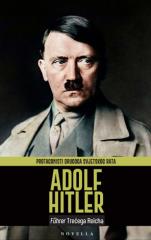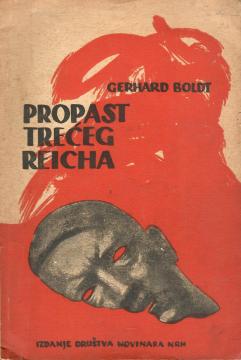
Propast Trećeg Reicha: Posljednji dani kancelarije Reicha
Tagebucheintrag eines Offiziers von der Ostfront und aus Berlin im Jahr 1945: Der Zusammenbruch der Befehlskette, das Chaos der Verteidigung, die Illusionen und die Realität der letzten Tage des Dritten Reiches, kalt, präzise und aus erster Hand geschilde
Der Untergang des Dritten Reiches (1952) bietet einen direkten, feldbezogenen Blick auf die letzten Monate des Zweiten Weltkriegs aus der Perspektive eines deutschen Augenzeugen und Offiziers. Statt einer „großen Geschichte“ aus zeitlicher Distanz lesen wir Szenen aus den Schützengräben, Kommandozentralen und verwüsteten Straßen: improvisierte Karten auf dem Tisch, widersprüchliche Befehle, die Erschöpfung der Männer, die weitermarschieren, weil sie nichts anderes sehen.
Gleichzeitig zerplatzen politische Illusionen – auf dem Papier stehen „entscheidende Offensiven“, vor Ort herrscht Mangel an Treibstoff, Munition und Hoffnung. Boldts Prosa ist nüchtern und präzise: kurze Sätze, viele Fakten, wenige Kommentare. Genau das verleiht dem Buch Gewicht: Der Krieg wird nicht „interpretiert“, er wird im Detail geschildert – verzögerte Evakuierungen, Kolonnen Verwundeter, Stille nach dem Beschuss.
Das Buch vereint zwei Leseebenen. Als historisches Dokument dient es als Primärquelle für die Atmosphäre des Zusammenbruchs: Wie das Ende des Regimes aus der Innenperspektive aussieht, wie die Offiziere reagieren, was die „letzte Verteidigungslinie“ bedeutet, wenn es keine Linien mehr gibt. Als Prosatext ist es ein spannendes, gut lesbares Zeugnis, das von der Front bis zum Fall Berlins führt – ohne Pathos und ohne Mythen. Das Werk ist wertvoll für alle, die die Mikroebene des Zusammenbruchs verstehen wollen: den Zusammenbruch der Logistik, Befehle, die den Bezug zur Realität verlieren, einfache Soldaten, hin- und hergerissen zwischen Pflicht und der Erkenntnis, dass alles verloren ist.
Es richtet sich an Leser, die faktische Klarheit und den überzeugenden Ton eines Augenzeugen suchen: an Militärhistoriker, Forscher und alle, die die letzten Kriegstage durch einen Bericht aus erster Hand nachempfinden möchten.
Angeboten wird ein Exemplar