Central European history • Osijek and surroundings
Priče iz povijesti srednjoeuropskoga Osijeka
Ervin Heine
A selection of texts about Osijek that the author published in Glas Slavonijie.
From the content: The Turks are leaving, and what happens next? As the people of Osijek wrote to Maria Theresa Royal city Stories from the "Golden Wave" From the civic life of Osijek
Interessieren Sie sich für ein anderes Buch? Sie können das Angebot über unsere Suchmaschine suchen und finden oder Bücher nach Kategorien durchsuchen.
Diese Titel könnten Sie auch interessieren
Croatian history • Modern Age • Romanced history • Central European history
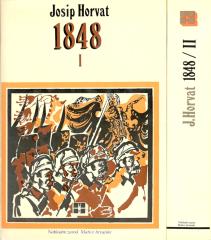
The book One Thousand Eight Hundred and Eight (first edition 1934, second 1973) by Josip Horvat is a detailed account of the revolutionary year 1848 in Croatia, a key moment in the shaping of national identity and political consciousness.
Nakladni zavod Matice hrvatske, 1973.
Kroatisch. Latein Schrift. Fester Einband mit Schutzumschlag.
Das Buch besteht aus zwei Bänden
14,56 €
Austro-Hungarian history • Documents and records • Croatian history • Cultural history • Central European history
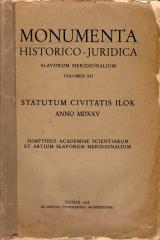
The Statute of the City of Ilok from 1525 provides a critical edition of the oldest preserved legal codex of Ilok, an important source for the study of city administration, law, and everyday life in late medieval Slavonia.
Tisak nadbiskupske tiskare, 1938.
Latein. Latein Schrift. Taschenbuch.
34,56 €
Archaeology • Austro-Hungarian history • Cultural history • Central European history • Collections and chronologies
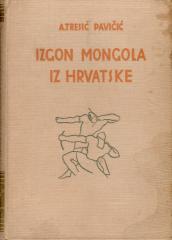
The book The Expulsion of the Mongols from Croatia, published in 1942 on the occasion of the seven hundredth anniversary of the Mongol invasion and the events of 1242, is one of the most famous historical works by Ante Tresić-Pavičić.
Matica hrvatska, 1942.
Kroatisch. Latein Schrift. Hardcover.
7,26 €
Politicology • Sociology • Central European history • Contemporary history
The author presents the main characteristics of the radical Polish right in an analytically based and documentary manner. It is a powerful political formation that has dominated Polish politics for the past 20 years, so in 2005-2007 two radical right-wing