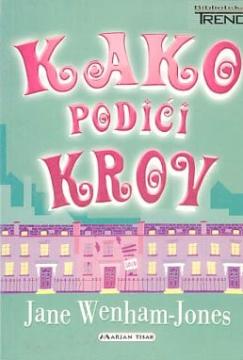
Kako podići krov
Jane Wenham-Jones, die britische Meisterin des Humors und der Ironie, führt uns in ihrem Roman „How to Raise a Roof“ durch die urkomischen und schmerzhaften Abenteuer von Cari, einer Frau am Rande des finanziellen und emotionalen Ruins.
Cari ist arbeitslos, ihr Kontostand ist so hoch wie die Staatsverschuldung, und ihr Ex-Mann Martin – dieser verantwortungslose Verschwender – hat ihre Kreditkarte ausgereizt, bevor er sie für eine andere Frau verließ. Er verlangt immer noch die Rückzahlung der Schulden, um ihr das Haus zu geben, sonst bleibt sie auf der Straße sitzen. In ihrer Verzweiflung fällt Cari auf den listigen Plan ihres Freundes Nigel herein, eines „Unternehmers“ mit einem Talent für Tricks: Sie soll das schlimmste Haus in der schlimmsten Straße der Stadt kaufen und darin Mietwohnungen einrichten. „Nimm einfach einen Kredit von der Bank auf, und das Geld kommt von selbst!“, versichert ihr Nigel, ein optimistischer Scharlatan mit einer Truppe von Arbeitern, die mehr trinken als arbeiten.
Doch die Realität widerlegt die Märchen schnell. Der Bankdirektor ist feindselig, Caris Schwester steht kurz vor einem Nervenzusammenbruch, eine Freundin ist ständig schwanger, eine andere erwartet möglicherweise das Kind des falschen Mannes, und der Mieter zahlt die Miete nicht. Die Arbeiten am Haus geraten ins Chaos: Regen dringt durchs Dach, der Strom fällt aus und Nigel verschwindet im entscheidenden Moment. Cari kämpft mit einer Liste von „Aktionen“ – Geld verdienen, abnehmen, die große Liebe finden und reich werden, um Martin eifersüchtig zu machen. Stattdessen kommen der Incari, der Polizeiwagen und der unerwartete „Ritter“, der sich als verheiratet herausstellt.
Wenham-Jones macht sich mit der scharfen Feder einer Journalistin und Schriftstellerin über die alltäglichen Absurditäten des Lebens, das Scheitern von Ehen und Immobilienträume lustig. Der Roman voller Selbstironie und Wärme erinnert uns daran, dass aus dem Chaos Stärke erwächst – oder zumindest eine gute Geschichte. Ideal für Fans britischen Humors wie Helen Fielding oder Marian Keyes.
Angeboten wird ein Exemplar