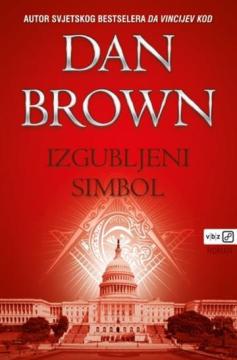
Izgubljeni simbol
Der Roman „Das verlorene Symbol“ (2009), der dritte Band der Robert-Langdon-Reihe nach „Illuminati“ und „Sakrileg“, ist ein spannender Thriller von Dan Brown, der in Washington, D.C. spielt und innerhalb eines Zeitraums von 12 Stunden spielt.
Nach sechsjähriger Forschung über Freimaurerei, Freimaurersymbole und noetische Wissenschaft erschafft Dan Brown ein Labyrinth aus Geheimnissen, das Geschichte, Religion und Wissenschaft in schwindelerregendem Rhythmus miteinander verwebt. Der Protagonist, der Harvard-Symbologie-Professor Robert Langdon, wird in die US-Hauptstadt eingeladen, um einen Vortrag für das Smithsonian zu halten. Stattdessen gerät er jedoch in einen Albtraum: Sein enger Mentor, der Freimaurer Peter Solomon, wurde von dem mysteriösen tätowierten Attentäter Mal'akh entführt, der auf der Suche nach dem „verlorenen Symbol“ ist – einer Pyramide, die ein uraltes Freimaurergeheimnis verbirgt, das die Welt verändern könnte. Langdon erhält eine Nachricht: ein kleines pyramidenförmiges Objekt mit fünf eingravierten Symbolen, das er entziffern muss, um seinen Freund zu retten.
In Begleitung von Peters Schwester Katherine Solomon, einer brillanten noetischen Wissenschaftlerin, die die Macht der Gedanken und des kollektiven Bewusstseins erforscht, navigiert Langdon durch verborgene Tunnel, Korridore und Geheimkammern unter dem Kapitol, dem Weißen Haus und anderen Sehenswürdigkeiten. Sie begegnen CIA-Direktor Inoue Ashima, Agent Nunez und Freimaurerwachen, während sie von einem gefährlichen Gegner verfolgt werden. Die Handlung führt durch die Symbole des Großen Siegels der Vereinigten Staaten, das Washington Monument, die Pyramide auf Banknoten und Legenden von Freimaurern wie George Washington und Benjamin Franklin.
Brown verwebt meisterhaft Fakten mit Fiktion: Freimaurerische Rituale, Alchemie, die Bibel und moderne Wissenschaft, die die Grenzen zwischen Glauben und Vernunft verspotten. Langdon, ein Skeptiker, stellt sich Fragen nach verborgenem Wissen, das menschliches Potenzial freisetzen könnte. Der Roman kritisiert Fanatismus und feiert die Erforschung, wobei er den Leser durch unerwartete Wendungen und ein hohes Tempo in Atem hält.
Angeboten wird ein Exemplar