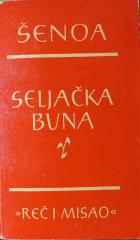
Seljačka buna
Ein monumentaler historischer Roman über den großen Bauernaufstand von 1573 unter der Führung von Matija Gubec. Ein episches Porträt des Kampfes unterdrückter Bauern gegen die feudale Tyrannei, reich an Dramatik, lebendigen Charakteren und einer getreuen
Der Bauernaufstand ist eines der bedeutendsten und wirkungsvollsten Werke August Šenoas, sein berühmtester historischer Roman, der bis heute als Höhepunkt der kroatischen historischen Prosa gilt. Der in zwei Bänden (Band 7 und 8 der Gesammelten Werke) veröffentlichte Roman schildert die dramatischen Ereignisse des Bauernaufstands von 1573 in der Region Sušedgrad und Stubica.
Šenoa zeichnet meisterhaft ein Bild der sozialen und nationalen Konflikte des 16. Jahrhunderts: das harte Leben der Leibeigenen unter grausamen Feudalherren (insbesondere Fran Tahi), ihren verzweifelten Aufstand und die Führung des Aufstands durch Matija Gubac, Ivan Gregorić und andere Helden. Der Roman entwirft ein breites Spektrum der Gesellschaft – von Adelsburgen und Kirchenkreisen bis hin zu Bauernhütten – voller erbitterter Kämpfe, menschlicher Schicksale, Liebesgeschichten, Verrat und Heldentum. Gubec gilt als edler, gerechter und tragischer Anführer, als Symbol des Kampfes für Gerechtigkeit und die Würde des einfachen Mannes.
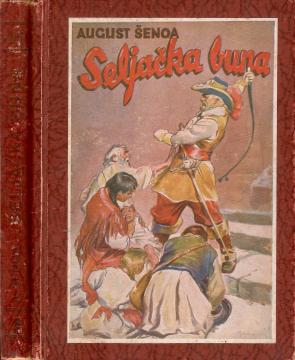
Diese Ausgabe ist Teil der beliebten und optisch ansprechenden Gesamtausgabe der Werke von August Šenoa, die 1942/43 vom Verlag Preporod in Zagreb herausgegeben wurde. Beide Bände enthalten dynamische und ausdrucksstarke Zeichnungen von Andrija Maurović, die die dramatische Atmosphäre des Aufstands, der Schlachten und der historischen Epoche perfekt einfangen und diese Ausgabe zu einem wahren Augenschmaus und Sammlerstück machen.
Mit seiner Kraft, der Aktualität des Themas sozialer Ungerechtigkeit und seiner außergewöhnlichen Erzählkunst ist „Der Bauernaufstand“ bis heute ein Klassiker, der mit ungebrochener Begeisterung gelesen wird. Šenoas profunde Geschichtskenntnisse, seine lebendigen Dialoge und seine Fähigkeit, großartige Charaktere zu erschaffen, machen diese beiden Bände zu einem unverzichtbaren Bestandteil des kroatischen Literaturerbes.
Im Angebot sind keine Exemplare vorhanden
Das letzte Exemplar wurde kürzlich verkauft.