99 varijacija: eseji i zapisi
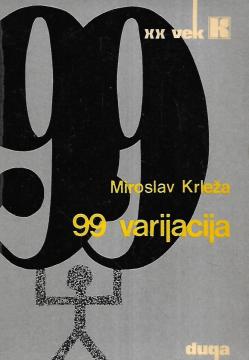
Eine Collage aus Krležas Reflexionen über Kultur, Kunst, Politik und die menschliche Natur. In kurzen, prägnanten und stilistisch vielfältigen Texten fasst der Autor sein persönliches und intellektuelles Gleichgewicht zusammen und wechselt dabei zwischen
In dem Buch „99 Variationen: Essays und Notizen“ versammelt Miroslav Krleža kurze Texte, die wie Gedankenfunken wirken – mal intime Fragmente, mal durchdringend Gesellschaft und Geschichte, oft Reflexionen über Kunst und das Schicksal eines Schriftstellers in einer Welt voller Widersprüche. Krleža ist hier kein monumentaler Polemiker mit enzyklopädischen Einträgen, sondern ein Schriftsteller, der Details beobachtet: menschliche Schwäche, die Heuchelei der Gesellschaft, die Tragik der Geschichte und die Macht der Sprache.
Die Variationen sind eine Form des inneren Dialogs. In einer hält er einen lyrischen Moment fest, in einer anderen seziert er politische Dummheit, in einer dritten hinterfragt er den Sinn der Schöpfung. Ein unverkennbarer Krleža-Rhythmus durchzieht das gesamte Buch – dicht, kraftvoll, ironisch, aber auch von tiefem Zweifel an allen „großen“ Wahrheiten durchdrungen. Die Notizen offenbaren Motive, die ihn sein Leben lang beschäftigten: das Chaos der Balkangeschichte, das Schicksal kleiner Nationen, die moralischen Verfehlungen von Intellektuellen, aber auch stille, fast sanfte Skizzen von Menschen und Orten, die er kannte.
Das Besondere an dem Buch ist seine formale Freiheit: Die Texte sind weder streng geordnet noch thematisch abgeschlossen. Krleža wechselt zwischen prägnanten Epigrammatiken und meditativen Sätzen, zwischen historischer Beobachtung und persönlicher Erinnerung. So werden „99 Variationen“ zu einer Art Mosaik – dem prägnanten Bild eines Schriftstellers, der selbst am Ende seines Schaffens unermüdlich die Welt und seine eigene Rolle darin hinterfragte.
Angeboten wird ein Exemplar