Velimir Deželić-ml.
Velimir Deželić Jr. (Zagreb, 28. April 1895 – Zagreb, 20. Mai 1976) war ein kroatischer Schriftsteller, Publizist, Übersetzer und Kulturaktivist, Sohn von Velimir Deželić Sr. Schon in jungen Jahren war er in der Zagreber Druck- und Zeitschriftenbranche tätig: Nach seinem Schulabschluss in Zagreb studierte er Jura und Philosophie, doch seine Arbeit im öffentlichen und Verlagswesen führte ihn zum Journalismus, zur Redaktion und zur Leitung von Kulturinstitutionen. Er arbeitete als Mitarbeiter und Redakteur für katholische und bürgerliche Zeitungen und Zeitschriften (Hrvatska straža, Hrvatska smotra, Luč, Hrvatska revija, Kalendar Narodne zaštite) und später auch für Zeitungen von Emigranten. Er war als Dramatiker und Theaterdirektor tätig, wirkte an der Organisation von Musik- und Bühnenveranstaltungen mit und redigierte Bibliotheken und Radiosendungen zum Thema Kultur. Er war auch als Dozent tätig und engagierte sich für die Leseförderung, insbesondere unter Jugendlichen.
Deželić Jr. verfasst Prosa mittlerer Länge, Essays, Memoiren und Reiseberichte, Theaterkritiken sowie populärwissenschaftliche kulturhistorische Synthesen. In seiner Prosa interessiert er sich für das bürgerliche Zagreb und die „kleine Geschichte“ von Individuen im Umbruch gesellschaftlicher Veränderungen. Sein Stil ist klar, umgangssprachlich und von einer pädagogischen Note geprägt, die er aus der Familientradition übernommen hat. Als Essayist widmet er sich thematischen Zyklen zu Theater, Musik, Literatur und religiös-moralischen Fragen des Alltags. Er war ein fleißiger Übersetzer aus dem Deutschen, Italienischen und Französischen (historische und religiöse Autoren, klassische Essays) und gab zudem Sammlungen und Gedenkschriften kultureller Vereine heraus.
Bibliographie (Auswahl):
- Erzählende Prosa und Memoiren: Kurzgeschichtensammlungen und Erinnerungen an die Menschen und Bräuche Zagrebs; Porträts von Musikern, Schauspielern und Schriftstellern; Reiseberichte aus dem mitteleuropäischen Raum.
– Kulturhistorische und religiöse Bücher: populärwissenschaftliche Darstellungen der National- und Kirchengeschichte, Biografien von Heiligen und Persönlichkeiten, Essays zu Gesellschaftsmoral und Familie.
– Theaterjournalismus: Kritiken und Rezensionen, dramaturgische Anmerkungen, Beiträge zur Theaterorganisation und Repertoirepolitik.
– Übersetzungen: Ausgewählte Essays und Biografien, theologische und spirituelle Literatur, klassische Memoiren.
– Redaktionelle und organisatorische Tätigkeiten: Er leitete oder war Mitherausgeber mehrerer Bibliotheken mit Büchern für das Volk, arbeitete in der Redaktion der Zeitschrift „Review and Calendar“ und erstellte Themenausgaben zu kroatischen Städten, Künstlern und Jubiläen. Er engagierte sich in Kulturvereinen (Matica hrvatska, Vereine für kirchliche und Laienkultur) und bildete ein Bindeglied zwischen der katholischen Kulturszene und der breiten Öffentlichkeit.
Deželić Jr. gilt heute als verlässlicher Zeuge der Zagreber Stadtkultur der ersten Hälfte des 20. Jahrhunderts. Er ist kein Avantgarde-Stilist, aber ein wertvoller Vermittler: Er vereint Lesbarkeit, dokumentarische Genauigkeit und pädagogisches Geschick. Seine Prosa und Essays werden für ihre warmherzigen Porträts geschätzt, die die Erinnerung an die Stadt bewahren und Literatur, Theater und Musik einem breiten Publikum zugänglich machen. Im ursprünglichen Kulturbereich war er ein engagierter Arbeiter, der ein Netzwerk von Zeitschriften, Foren und Bibliotheken unterhielt – eine wichtige, wenn auch oft stille Infrastruktur der kroatischen Kultur der Zwischenkriegszeit und der Nachkriegszeit.
Vermächtnis: Manuskripte, Korrespondenz und Zeitungsausschnitte werden in den Archiven der Stadt Zagreb (HAZU, NSK, Theaterarchiv) aufbewahrt. Seine Aufzeichnungen über die Stadt und die Bühne sind bis heute eine wertvolle Quelle für Kulturhistoriker, insbesondere für Studien zum städtischen Zagreb, zum Theater und zur katholischen Laienbewegung des 20. Jahrhunderts.
Titles in our offer
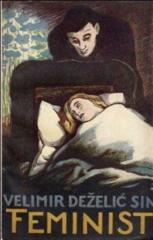
Feminist: roman iz nedavne prošlosti
Ein Gesellschaftsroman mit einer These, der einer jungen, intelligenten Frau folgt, die in der konservativen Gesellschaft der 1920er Jahre für Bildung, Unabhängigkeit und Gleichberechtigung kämpft und sich für die Emanzipation der Frauen und ihre finanzie
Feminist: roman iz nedavne prošlosti
Ein Gesellschaftsroman mit einer These, der einer jungen, intelligenten Frau folgt, die in der konservativen Gesellschaft der 1920er Jahre für Bildung, Unabhängigkeit und Gleichberechtigung kämpft und sich für die Emanzipation der Frauen und ihre finanzie
Socijalno pitanje
Die Schrift „Soziale Frage“ (1926) ist eine kürzere Studie über den katholischen Ansatz zu sozialen Problemen. Sie entstand aus Vorträgen der kroatischen katholischen Bewegung und behandelt die Arbeitsfrage, Ungleichheit und christliche Lösungsansätze im