Pearl S. Buck

Pearl S. Buck (born Pearl Sydenstricker Buck), an American writer, novelist, and humanitarian, was born on June 26, 1892, in Hillsboro, West Virginia, and died on March 6, 1973, in Danby, Vermont. She was the recipient of the 1932 Pulitzer Prize and the 1938 Nobel Prize in Literature, becoming the first American woman to be awarded that literary honor.
She grew up in China, where her parents served as missionaries. From childhood, she was familiar with the Chinese language, customs, and culture, all of which strongly shaped her literary body of work. She studied in the United States and subsequently returned to China, where she lived and taught for many years.
She began her literary career with the novel East Wind: West Wind (1930), in which she explores the encounter between Eastern and Western cultures, family relationships, and the status of women.
She achieved worldwide fame with the novel The Good Earth (1931), a poignant story about the Chinese farmer Wang Lung and his family. The novel depicts the hard life of peasants, the connection between humanity and the land, poverty, and social change, and it earned the author the Pulitzer Prize. The work is the first part of the House of Earth trilogy, continued by the novels Sons (1932) and A House Divided (1935). Her notable works include The Mother (1934), Fighting Angel (1936), Dragon Seed (1942), Imperial Woman (1956), and Pavilion of Women (1946). In her autobiographical books My Several Worlds and A Bridge for Passing, she describes her personal experiences and life between two cultures.
In addition to her literary work, Buck advocated for women's rights, racial equality, international understanding, and child welfare. She founded organizations that assisted children of mixed heritage and children lacking adequate parental care.
Her style is characterized by simplicity of expression, deep emotion, realistic descriptions, and a profound understanding of human destinies. Pearl S. Buck left an enduring mark on world literature by introducing Western readers to Chinese culture, family life, and the universal values of humanity, compassion, and dignity.
Titles in our offer
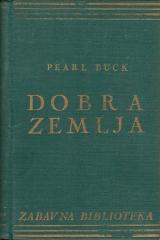
Dobra zemlja
Pearl S. Buck depicts the life of Chinese peasant Wang Lung, his rise from poverty to wealth, and the disintegration of family ties. The novel explores the relationship between man and land, tradition, social change, and moral challenges.

Eine Liebesehe / Das Gelöbnis
„Jedan brak“ je intimniji, psihološki portret braka, dok je „Obećanje“ epski ratni roman. Oba djela odražavaju autoricu koja je živjela u Kini i duboko razumjela sukobe između Istoka i Zapada.

Jedan brak
Glavna junakinja je Hanako, mlada Japanka obrazovana na američkom sveučilištu, koja se nakon rata vraća u razoreni Tokio.
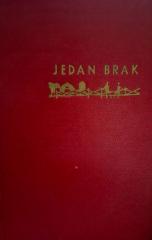
Jedan brak
Roman Jedan brak američke književnice Pearl S. Buck bavi se ljubavnom pričom koja se razvija između dvoje ljudi iz potpuno različitih kulturnih i društvenih sredina u poslijeratnom razdoblju.

Lebendiger Bambus
Roman prikazuje povijest Koreje kroz sudbinu jedne obitelji, ističući borbu za slobodu, očuvanje tradicije i snagu ljudske ustrajnosti.
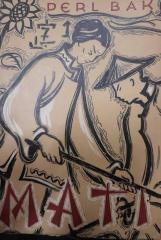
Mati
Roman o kineskoj seljanki koja nakon muževa odlaska sama podiže djecu, boreći se s bijedom, usamljenošću i društvenim pritiscima, u potresnoj priči o majčinstvu i izdržljivosti.

Peonija, cvijet Istoka
Roman američke nobelovke Pearl S. Buck, smješten u 19. stoljeće u kineskom gradu Kaifengu, poznatom po svojoj židovskoj zajednici. Priča prati Peoniju, mladu kinesku sluškinju u kući ugledne židovske obitelji Ezre ben Israela.
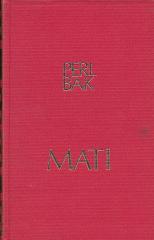
Sabrana dela 10: Mati
Siromašna kineska seljanka, napuštena od muža, sama podiže troje djece boreći se s glađu, siromaštvom i društvenim pritiscima. Potresna priča o majčinskoj snazi i žrtvi.
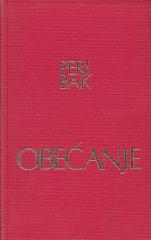
Sabrana dela 11: Obećanje
Obećanje (1943.) izravan je nastavak romana Zmajevo sjeme (Dragon Seed). Radnja se događa tijekom Drugog svjetskog rata, uglavnom u Burmi 1942. godine, dok Japanci napreduju kroz Aziju.
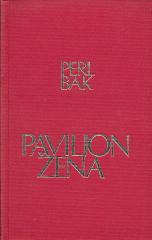
Sabrana dela 12: Paviljon žena
Roman Paviljon žena (1946.) jedna je od najintimnijih i najsuptilnijih priča Pearl S. Buck. Smještena je u staru, bogatu kinesku obitelj Wu, u godinama neposredno prije japanske invazije.