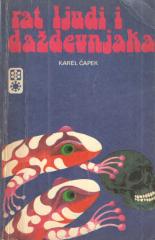
Karel Čapek
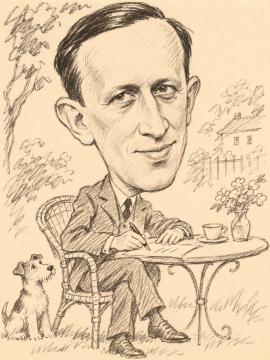
Karel Čapek (Malé Svatoňovice, 9 January 1890 – Prague, 25 December 1938) was a Czech novelist, playwright, journalist and essayist, and a major European writer of the interwar period. Trained in philosophy, he developed a distinctive combination of conversational clarity, humour and intellectual seriousness through his work for Lidové noviny. A defender of democracy and humanism, he opposed nationalist fanaticism and totalitarianism.
International recognition came with R.U.R., published in 1920 and first performed in 1921. Its manufactured workers raise questions about exploitation, responsibility and humanity’s survival. The word robot was suggested by his brother, the artist and writer Josef Čapek; Karel’s play brought it into worldwide use. The brothers also collaborated on The Insect Play (1921).
In The Absolute at Large (1922), a technological invention unleashes religious and social chaos. Krakatit (1924) examines the destructive potential of scientific discovery, while War with the Newts (1936) satirises colonialism, capitalist exploitation and militarism. The anti-war plays The White Disease (1937) and The Mother (1938) respond directly to the political dangers of his time.
His trilogy Hordubal (1933) / Meteor (1934) / An Ordinary Life (1934) explores how imperfectly we understand other people. Other enduring works include Tales from One Pocket / Tales from the Other Pocket (1929), The Gardener’s Year (1929) and the children’s book Dášeňka, or the Life of a Puppy (1933). His conversations with President Tomáš G. Masaryk became an important work combining biography, philosophy and political reflection.
Through speculative fiction, irony and sympathy for ordinary lives, Čapek questioned progress detached from responsibility. His writing remains influential for its treatment of technology, power and the fragility of human understanding.
Titel im Angebot
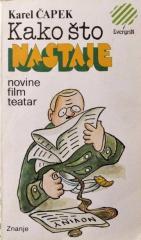
Kako što nastaje: novine, film, teatar
In a witty and instructive essay, Čapek describes how a newspaper, a film, and a theater play are created. Through humor and irony, he shows the complexity of the process – from idea to realization – and the different perspectives of the participants, dem
Pripovetke iz levog i desnog džepa
Ove priče bave se različitom tematikom mada se većina bavi različitim kriminalnim radnjama, od prevara i gatanja do bračnih prevara i ubistava.
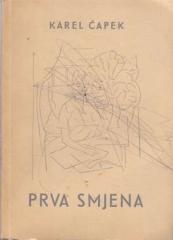
Prva smjena
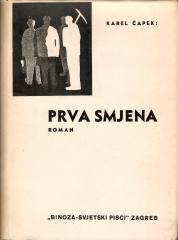
Prva smjena
Prva smjena je Čapekov roman, prvi put objavljen 1937. godine. Roman o ljudskoj hrabrosti govori o šačici ljudi koji u ekstremnim uvjetima moraju mobilizirati svu svoju hrabrost, prijateljstvo i solidarnost.