Carlos Castaneda
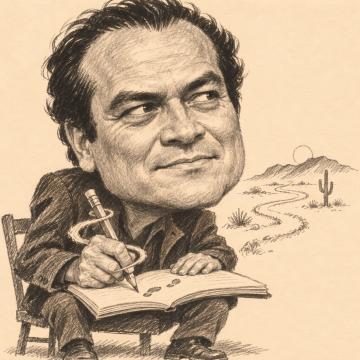
Carlos Castaneda (Cajamarca, Peru, 1925 – Los Angeles, 1998) began his best-known story with a chance meeting at a bus station. By his own account, he met Don Juan Matus there in 1960 as an anthropology student looking for someone who could tell him about the use of psychoactive plants. In his telling, that man became a teacher who pushed him to question everything he thought he knew about the world.
Castaneda studied anthropology at the University of California, Los Angeles. The university press published his first book, The Teachings of Don Juan: A Yaqui Way of Knowledge (1968). He portrays Don Juan as a Yaqui man and describes their encounters from the point of view of a bewildered apprentice. Don Juan often answers with a question or a joke, and the apprentice’s urge to explain everything at once drives some of their best exchanges.
Castaneda continued the story of his apprenticeship in A Separate Reality (1971) and Journey to Ixtlan (1972). Experiences with plants play an important role in the first book, while Journey to Ixtlan brings attention and habits of perception to the fore. Tales of Power (1974) followed, and in the later The Art of Dreaming (1993), Castaneda focused on the possibility of acting consciously within dreams.
The books became bestsellers among readers of the counterculture in the late 1960s and early 1970s. Their influence reached into the New Age movement, where Castaneda’s vision of shamanism found a new audience. Part of the appeal lies in the way he tells the story: readers learn only as much as the bewildered apprentice can understand at the time.
As the readership grew, so did doubts about the books’ reliability. Don Juan Matus’s existence was never independently confirmed, and critics questioned the connection between the teachings attributed to him and Yaqui traditions. That debate still follows Castaneda’s books and shapes how we read them: how far can we trust a narrator whose story is itself about doubting what we see?
Naslovi u ponudi
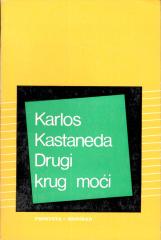
Drugi krug moći
Četvrta Kastanedina knjiga, koja nastavlja njegovo putovanje kroz svet meksičkog šamanizma, ali sa novim fokusom: odnosima sa Don Huanovim učenicama i produbljivanjem učenja o dualnom aspektu svesti – prvom i drugom krugu moći.
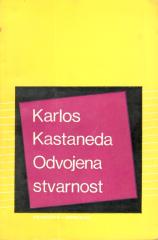
Odvojena stvarnost: Nastavak razgovora s don Huanom
„Odvojena stvarnost“ je druga knjiga Karlosa Kastanede u kojoj autor nastavlja da dokumentuje svoja učenja sa Don Huanom Matusom, indijanskim šamanom iz Meksika. Pogovor za knjigu napisao je Mirko Magarašević.
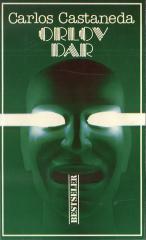
Orlov dar
Orlov dar nije samo šamanistički priručnik, već i filozofska meditacija o prirodi stvarnosti, smrti i mogućnosti transcendencije. Kastaneda poziva čitaoca da preispita svoja uverenja o svetu i otvori se za nove dimenzije postojanja.
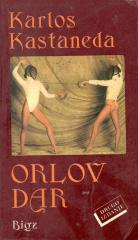
Orlov dar
Šesta knjiga u serijalu o Kastanedinim studijama sa don Huanom Matusom, Jaki šamanom. Roman nastavlja Kastanedinu duhovnu i filozofsku potragu, fokusirajući se na koncept „Orlovog vladanja“ i prelazak na dublje razumevanje šamanskih praksi.
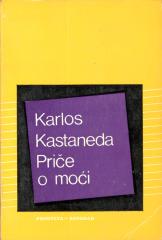
Priče o moći
Don Huan i don Henaro vode Kastanedu prema završnici učenja. Razgovori o tonalu i nagualu, pažnji i unutrašnjoj tišini prerastaju u zagonetnu priču o granicama razuma i promeni percepcije.
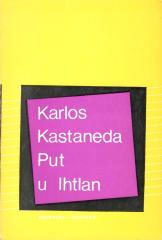
Put u Ihtlan
„Die Reise nach Ihtlan“ ist das dritte veröffentlichte Buch von Carlos Castaneda, obwohl es chronologisch einen frühen Teil seiner Studien bei Don Juan darstellt. Dieses Buch markiert einen Wendepunkt in Castanedas Erzählung – es geht weniger um Halluzino
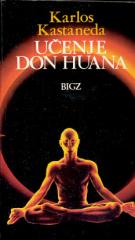
Učenje don Huana
Das Buch beschreibt die Lehrzeit des Autors beim Yaqui-Schamanen Don Juan. Mithilfe psychotroper Pflanzen erforscht Castaneda die nicht-künstlerischen Ebenen der Wirklichkeit und versucht, den Weg des „wissenden Mannes“ zu meistern.