Eugen Kumičić
Titles in our offer

Gospođa Sabina
"Ms. Sabina" is a novel by Eugen Kumičić published in 1979 that explores complex interpersonal relationships and social norms in Croatia in the late 19th and early 20th centuries.
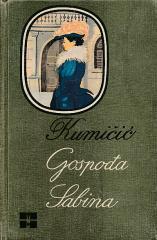
Gospođa Sabina
The naturalistic novel depicts the moral decline of Zagreb's high society through the character of the calculating Sabina, whose greed and scheming lead to familial and financial ruin.
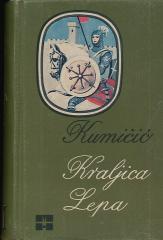
Kraljica Lepa ili Propast kraljeva hrvatske krvi
The story begins in 1075 in the monastery of St. Stjepan de Pinis by the spacious port of Split, during the reign of King Slavić, husband of Neda, daughter of King Petar Krešimir.

Mladost ludost
The novel Youth-Foolishness (1884) depicts the lives of young people in Dalmatia at the end of the 19th century. Set in Zadar, the novel follows the fate of a young lawyer, Frano Luković, whose passionate nature and rash decisions lead to tragic consequen

Otrovana srca / Pobijeljeni grobovi
One of the most prolific Croatian realists and early naturalists with a strong right-wing orientation, in this book he brings together two stories from the Zagreb bourgeois milieu: Poisoned Hearts (1890) and Whitened Graves (1896).

Tri mučenice: Tri izvorne pripovijesti
Three Martyrs by Eugen Kumičić (1888) is a naturalistic novel about the fate of three women from different social classes who suffer because of love, social norms, and male selfishness in bourgeois Zagreb.

Urota Zrinjsko-Frankopanska
For about ten years, the novel was the most widely read book, which, thanks to the interest of the readers of that time in the historical events that marked the time of the conspiracy of Croatian and Hungarian noblemen against the Austrian crown, had a hu
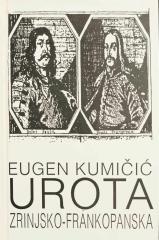
Urota zrinsko-frankopanska
For about ten years, the novel was the most widely read book, which, thanks to the interest of the readers of that time in the historical events that marked the time of the conspiracy of Croatian and Hungarian noblemen against the Austrian crown, had a hu

Urota Zrinsko-Frankopanska
The novel "The Zrinjski-Frankopan Conspiracy" (1893) was the most widely read Croatian book for ten years, and, thanks to the interest of readers at the time in historical events, it had a huge influence on younger generations of readers.