Eugen Kumičić
Naslovi u ponudi

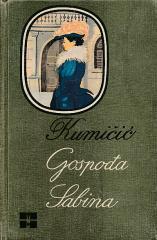
Gospođa Sabina
„Gospođa Sabina“ je roman Eugena Kumičića objavljen 1979. godine koji istražuje složene međuljudske odnose i društvene norme u Hrvatskoj krajem 19. i početkom 20. veka.
Gospođa Sabina
Naturalistički roman prikazuje moralno posrnuće zagrebačkog visokog društva kroz lik proračunate Sabine, čija pohlepa i spletkarenje vode ka porodičnoj i finansijskoj propasti.
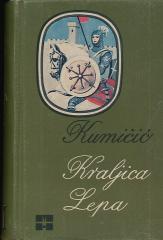
Kraljica Lepa ili Propast kraljeva hrvatske krvi
The story begins in 1075 in the monastery of St. Stjepan de Pinis by the spacious port of Split, during the reign of King Slavić, husband of Neda, daughter of King Petar Krešimir.

Mladost ludost
The novel Youth-Foolishness (1884) depicts the lives of young people in Dalmatia at the end of the 19th century. Set in Zadar, the novel follows the fate of a young lawyer, Frano Luković, whose passionate nature and rash decisions lead to tragic consequen

Otrovana srca / Pobijeljeni grobovi
One of the most prolific Croatian realists and early naturalists with a strong right-wing orientation, in this book he brings together two stories from the Zagreb bourgeois milieu: Poisoned Hearts (1890) and Whitened Graves (1896).

Tri mučenice: Tri izvorne pripovijesti
Tri mučenice Eugena Kumičića (1888.) naturalistički je roman o sudbini triju žena iz različitih društvenih slojeva koje stradavaju zbog ljubavi, društvenih normi i muške sebičnosti u građanskom Zagrebu.

Urota Zrinjsko-Frankopanska
For about ten years, the novel was the most widely read book, which, thanks to the interest of the readers of that time in the historical events that marked the time of the conspiracy of Croatian and Hungarian noblemen against the Austrian crown, had a hu
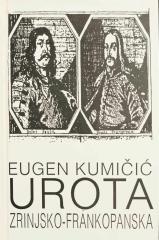
Urota zrinsko-frankopanska
Der Roman war etwa zehn Jahre lang das meistgelesene Buch, das dank des Interesses der damaligen Leser an den historischen Ereignissen, die die Zeit der Verschwörung kroatischer und ungarischer Adliger gegen die österreichische Krone kennzeichneten, einen
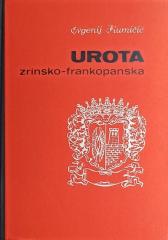
Urota Zrinsko-Frankopanska
Roman "Urota zrinsko-frankopanska" (1893.) desetak je godina bio najčitanije hrvatsko štivo, koje je, zahvaljujući zanimanju tadašnjih čitatelja za povijesna zbivanja, izvršilo golem utjecaj na mlade naraštaje čitatelja.