Eugen Kumičić
Naslovi u ponudi

Gospođa Sabina
„Frau Sabina“ ist ein 1979 veröffentlichter Roman von Eugen Kumičić, der komplexe zwischenmenschliche Beziehungen und soziale Normen im Kroatien des späten 19. und frühen 20. Jahrhunderts untersucht.
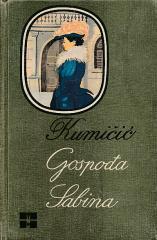
Gospođa Sabina
Der naturalistische Roman schildert den moralischen Verfall der Zagreber High Society anhand der berechnenden Sabina, deren Gier und Intrigen in den familiären und finanziellen Ruin führen.
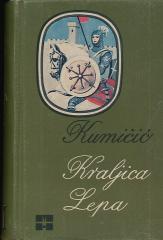
Kraljica Lepa ili Propast kraljeva hrvatske krvi
Die Geschichte beginnt im Jahr 1075 im Kloster St. Stjepan de Pinis am weitläufigen Hafen von Split, während der Herrschaft von König Slavić, Ehemann von Neda, Tochter von König Petar Krešimir.

Mladost ludost
Roman „Mladost-ludost“ (1884) prikazuje život mladih ljudi u Dalmaciji krajem 19. veka. Smešten u Zadru, roman prati sudbinu mladog advokata Frana Lukovića, čija strastvena priroda i ishitrene odluke dovode do tragičnih posledica.

Otrovana srca / Pobijeljeni grobovi
Jedan od najplodnijih hrvatskih realista i ranih naturalista sa snažnom desničarskom orijentacijom, u ovoj knjizi objedinjuje dve priče iz zagrebačke građanske sredine: Otrovana srca (1890) i Obeleni grobovi (1896).

Tri mučenice: Tri izvorne pripovijesti
Three Martyrs by Eugen Kumičić (1888) is a naturalistic novel about the fate of three women from different social classes who suffer because of love, social norms, and male selfishness in bourgeois Zagreb.

Urota Zrinjsko-Frankopanska
For about ten years, the novel was the most widely read book, which, thanks to the interest of the readers of that time in the historical events that marked the time of the conspiracy of Croatian and Hungarian noblemen against the Austrian crown, had a hu
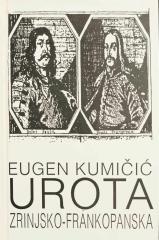
Urota zrinsko-frankopanska
For about ten years, the novel was the most widely read book, which, thanks to the interest of the readers of that time in the historical events that marked the time of the conspiracy of Croatian and Hungarian noblemen against the Austrian crown, had a hu

Urota Zrinsko-Frankopanska
The novel "The Zrinjski-Frankopan Conspiracy" (1893) was the most widely read Croatian book for ten years, and, thanks to the interest of readers at the time in historical events, it had a huge influence on younger generations of readers.