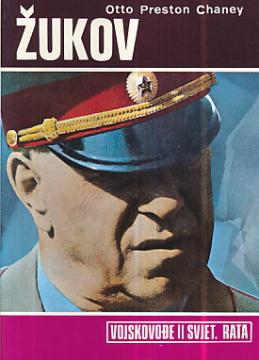
Žukov – maršal Sovjetskog Saveza
One copy is available
- The cover is missing

One copy is available
Are you interested in another book? You can search the offer using our search engine or browse books by category.
The book analyzes the escape of Nazi war criminals after 1945 and the long and uneven attempt to find and prosecute them, while debunking myths about the organized escape.
The collection brings together papers presented at the 4th Croatian Victimology Congress held in Zagreb and Škabrnja. The publication brings together interdisciplinary contributions that approach the topic of victims from legal, historical and sociologica
Jews in Yugoslavia 1944–1952 by Mladenka Ivanković depicts the renewal of the life of the Jewish community after the Holocaust, its relationship with the new authorities, and emigration to Israel and the preservation of identity.
The book analyzes how conflicting historical narratives about the suffering and mass emigration of Italians from Istria and Rijeka developed in Croatia and Italy after World War II (1943–1956), debunking myths and encouraging an empathetic approach to the
The generation to which Konstantinović belonged managed to reach an agreement and, had it not been for the Second World War, was on the threshold of establishing liberal democracy in Yugoslavia, whose supporter Konstantinović was.
The autobiographical work of Croatian communist activist Vladimir Novak, a survivor of the Ustasha camps, follows his memories of resistance to fascism during World War II.