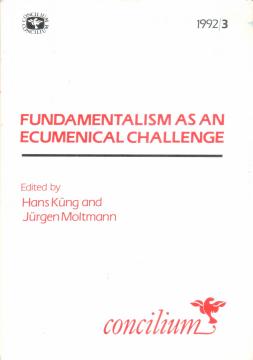
Fundamentalism as an Ecumenical Challenge: A Concilium Special
Author unknown
Irreplaceable as a reference to where Catholic theology is at any given moment, Concilium maps the state of the most pressing questions with solid contributions from leading theologians and cutting edge voices.
The book is a travelogue-reportage work by the "crazy reporter" Egon Ervin Kisch, which presents impressive accounts of China in the turbulent period of the 20th century.
Naklada Binoza, 1934.
Croatian. Latin alphabet. Hardcover with dust jacket.
5.98 - 8.56 €
Croatian literature • World War II • Croatian history • Monographs • Political-historical essays • Interviews
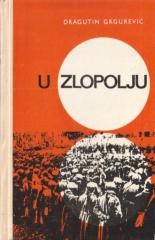
"In Zlopolje" by Dragutin Grgurević tells the story of the operations of the Third Dalmatian National Liberation Strike Brigade during the NOB. The book is small in format, but of great importance for understanding the local aspects of the NOB.
Through travelogues and personal accounts, Jasen Boko describes South America – a continent of contrasts, passion and unrest. Combining history, culture and personal reflections, he searches for what it means to be “at home” in the world.
V.B.Z, 2006.
Croatian. Latin alphabet. Paperback.
11.22 €
Communism and fascism • Romanced history • 20th Century • Biography • Political-historical essays
This book is a biography of the historical figure and icon of the twentieth century, Ernesto Che Guevara - in light of his project of a world revolution, which Koenen, after Bruce Chatwin, will call dream paths.
Durieux, 2011.
Croatian. Latin alphabet. Hardcover with dust jacket.
Pablo Picasso (Malaga, October 25, 1881 - Mougins, April 8, 1973) was a Spanish painter, co-founder of Cubism and one of the most famous artists of the 20th century.
Naprijed, 1970.
Croatian. Latin alphabet. Paperback.
9.368.42 - 10.39 €
Yugoslavia • History of Bosnia and Herzegovina • Monographs • Interviews
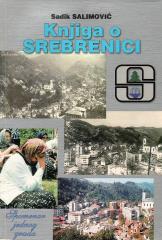
Sadik Salimović's Book of Srebrenica (2002) is a memoir of the city: from Ottoman settlement, Islamization and development to the war suffering of 1992–1995 and genocide. It preserves the identity and memory of life before and after the tragedy.