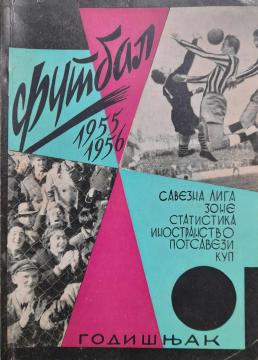
The biennial, last edition of the yearbook "Football" - analysis of the federal championship, which was won by Hajduk in 1955, and Red Star in 1956, the results of the A and B leagues and sub-leagues, and there is also an overview of the matches of the Yu
The eighth, expanded and supplemented edition of the book "Conversations with Krleža" is accompanied by a CD with a recording of the conversation between Krleža and Matvejević about the meeting with Tito in 1939 in Šestine, the Siberian graves, the confli
Journalist and publicist Ante Duić, in his free time, visited Slavonian villages and wrote down what he considered important to record and preserve from oblivion.
In one of the last interviews, from 1969, Giuseppe Cardillo talks to Pier Paolo Pasolini, director of cult films such as Salo or 120 days of Sodom and Decameron, writer, poet and one of the most important intellectuals of Italy in the 20th century
Multimedijalni institut, 2023.
Serbian. Latin alphabet. Paperback.
7.54 €
Croatian literature • World War II • Croatian history • Monographs • Political-historical essays • Interviews
"In Zlopolje" by Dragutin Grgurević tells the story of the operations of the Third Dalmatian National Liberation Strike Brigade during the NOB. The book is small in format, but of great importance for understanding the local aspects of the NOB.
Narodna armija, 1971.
Croatian. Latin alphabet. Hardcover.
6.36 €
History of America • History of Europe • Svjetska povijest • 20th Century • Politics • Interviews
A Conversation with History is not just a collection of interviews, but also a reflection on history, politics, and human nature. The book exposes the complexities of powerful people and their influence on the world, making it a must-read for history and
August Cesarec, 1979.
Croatian. Latin alphabet. Hardcover with dust jacket.
11.268.45 €
Yugoslavia • History of Bosnia and Herzegovina • Monographs • Interviews
Sadik Salimović's Book of Srebrenica (2002) is a memoir of the city: from Ottoman settlement, Islamization and development to the war suffering of 1992–1995 and genocide. It preserves the identity and memory of life before and after the tragedy.