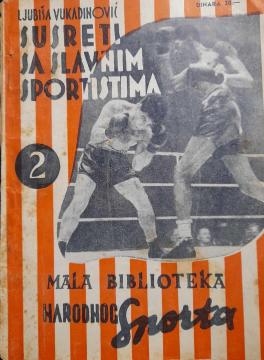
One of the most famous sports journalists about his meetings and interviews with famous world athletes of the time, from Al Brown and Stanley Matthews, to Sonja Henia and Malcolm Campbell.
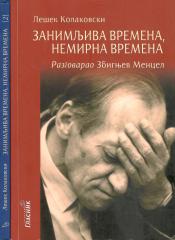
A book of interviews in which Kołakowski retrospectively describes his life and intellectual journey through the turbulent 20th century – from pre-war Poland, through Nazi occupation, Stalinism, revisionist Marxism, to exile in the West.
In one of the last interviews, from 1969, Giuseppe Cardillo talks to Pier Paolo Pasolini, director of cult films such as Salo or 120 days of Sodom and Decameron, writer, poet and one of the most important intellectuals of Italy in the 20th century
Through travelogues and personal accounts, Jasen Boko describes South America – a continent of contrasts, passion and unrest. Combining history, culture and personal reflections, he searches for what it means to be “at home” in the world.
V.B.Z, 2006.
Croatian. Latin alphabet. Paperback.
11.22 €
Croatian literature • World War II • Croatian history • Monographs • Political-historical essays • Interviews
"In Zlopolje" by Dragutin Grgurević tells the story of the operations of the Third Dalmatian National Liberation Strike Brigade during the NOB. The book is small in format, but of great importance for understanding the local aspects of the NOB.
Narodna armija, 1971.
Croatian. Latin alphabet. Hardcover.
6.36 €
Law • Documents and records • Croatian history • Interviews • Collections and chronologies
The book In Defense of the Disenfranchised Bishops by Franjo Komarica is a collection of around 300 documents, letters, appeals and statements published by the Bishop of Banja Luka and the Episcopal Ordinariate of Banja Luka during the war years from 1991
Nakladni zavod Matice hrvatske, 2003.
Croatian. Latin alphabet. Hardcover.
12.42 €
Essays and diaries • Croatian literature • Columns and essays • Controversies and articles • Interviews
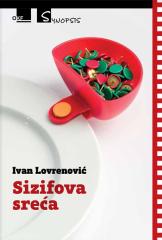
Ivan Lovrenović's collection documents thirty years of change in Bosnia and Herzegovina through interviews, essays, and dialogues. The author, a witness to the era, examines old attitudes in the new reality, emphasizing the atrophy of rationality and soci