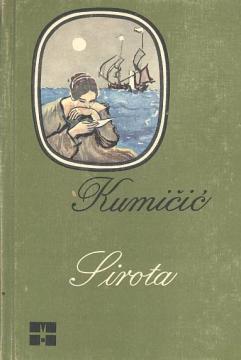
Sirota – roman iz istarskog života
The naturalistic novel follows the tragic fate of the orphan Marica in Istria. Through difficult village life, moral temptations and injustice, the author shows the conflict between honesty and a callous environment.
"Sirota" (The Orphan Girl) is a novel by Eugen Kumičić published in 1885—subtitled "a novel of Istrian life"—in which the author returns to his native region to depict the harsh social and economic conditions of the Istrian countryside in the late 19th century. The central character is Marica, an orphan whose life becomes a ceaseless struggle for survival and dignity within a cruel and unjust environment. Through Marica’s tragic fate, Kumičić portrays the arduous life of the peasantry, as well as the moral degradation of individuals driven by poverty, greed, and injustice. The plot is propelled by village intrigues, abuse, and a conflict rooted in the contrast between Marica’s purity, honesty, and piety and the callousness and selfishness of those around her. As a leading figure of Croatian naturalism and realism, Kumičić faithfully depicts the Istrian landscape, customs, and social disparities in this work. He places particular emphasis on the national and social oppression faced by the Istrian peasantry. "Sirota" is a harrowing study of human suffering, injustice, and the exploitation of the vulnerable, yet it also stands as a powerful testament to resilience and the preservation of human dignity amidst the direst of life's circumstances.
One copy is available