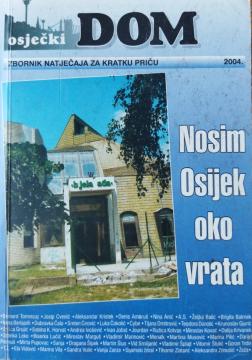
Nosim Osijek oko vrata
Editor
Dario Topić
Graphics design
Tomica Gilih
Dimensions
17 x 12 cm
Pages
171
Publisher
Datapress, Osijek, 2004.
Latin alphabet. Paperback.
Language: Croatian.
Multiple copies are available
Multiple copies are available
Are you interested in another book? You can search the offer using our search engine or browse books by category.


Fyodor Dostoevsky, one of the greatest writers and visionaries in history, is presented in this edition with a selection from his correspondence (Letters from Exile), an account of his first trip to Europe (Winter Notes on Summer Impressions), and the fam
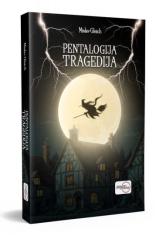
The Pentalogy of Tragedies is a collection of five dark, philosophical dramas that explore human guilt, suffering, and moral limits. The characters, faced with their own evil, discover how difficult it is to preserve humanity in a world without meaning.

"Sikamura" is a collection that does not offer clear answers, but rather encourages the reader to interpret and reflect, making it demanding but significant in the context of contemporary literature.


The third volume of Collected Works contains Chekhov's most extensive novella, "A Drama in Hunting," as well as a number of longer stories from the period 1885-1886. There are humoresques such as Silo in a Bag, Eh, That Audience, and A Lot of Paper, as we

Collections of short stories from Roman life in the post-war era: ordinary people from the people and the petty bourgeoisie – the poor, workers, small craftsmen – face misery, survival, jealousy, petty deceit and moral compromises in everyday life.
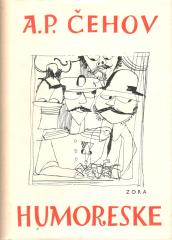
This book includes Chekhov's works from 1880-1885, i.e. humoresques, short stories, and sketches, starting with Letters to a Learned Neighbor, which Chekhov considered the beginning of his literary career.